In the orthopedic industry, understanding lead times is crucial. Many surgeons ponder, "What is the difference between standard and custom orthopedic implants in lead time?" Dr. Emily Carter, an orthopedic surgeon with over 15 years of experience, emphasizes, “Custom implants typically take longer to produce due to the intricate design process.”
Standard implants are mass-produced and readily available. Their lead times are generally short, often just a few weeks. This quick turnaround can be vital in emergency situations. However, standard solutions may not always meet the specific needs of every patient.
On the other hand, custom orthopedic implants are designed for individual cases. These can take several months to manufacture. The complexity involved in tailoring an implant to a specific anatomy can prolong wait times. Delays in receiving custom implants can lead to longer periods of patient discomfort. Balancing urgency and precision is key in the decision-making process. However, ensuring patient satisfaction often requires investment in time and resources.
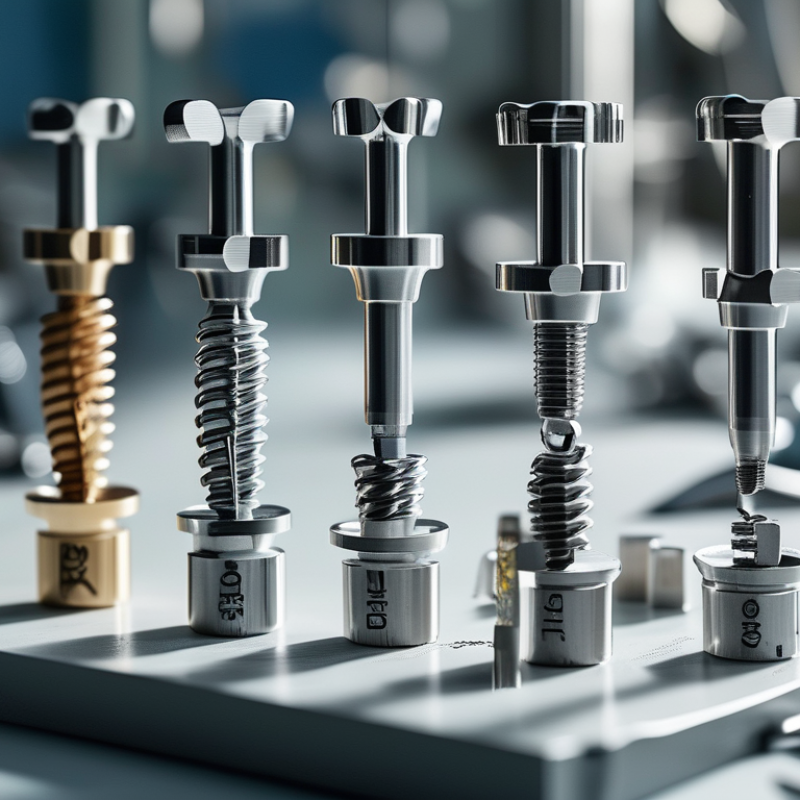
Definition of Standard Orthopedic Implants and Their Lead Time
Standard orthopedic implants are pre-manufactured devices used in various surgical procedures. These implants, designed for widespread use, aim to fit a broad range of patients and conditions. Their lead time, which ranges from a few weeks to several months, depends on production schedules and inventory levels. Hospitals often keep standard implants on hand, allowing for quicker surgeries.
While standard implants offer accessibility, their generic nature can be limiting. They may not perfectly fit every patient's unique anatomy. Surgeons sometimes encounter complications due to mismatched sizes or shapes. This can lead to longer recovery times for patients. The overall standardization helps streamline processes but doesn't always provide the best solution for individual needs.
Healthcare providers must weigh the benefits and challenges of standard orthopedic implants. The lead time can be beneficial for urgent cases, yet the potential drawbacks in patient outcomes should not be overlooked. This balance between efficiency and personalized care remains a critical consideration in orthopedic surgery.
Understanding Custom Orthopedic Implants and Their Lead Time
Custom orthopedic implants play a crucial role in patient care, offering tailored solutions for specific anatomical needs. Research shows that about 60% of orthopedic surgeries require some form of customized implant. These implants provide better fit and functionality compared to standard alternatives. However, they also come with extended lead times.
Typically, the lead time for custom orthopedic implants averages between 6 to 12 weeks, depending on complexity. In contrast, standard implants are often available within a few days to two weeks. A recent report from the Orthopedic Manufacturing Association highlights that 65% of surgeons express concern over the lengthy wait for custom devices. This delay can impact surgical scheduling and patient outcomes.
Despite advancements in technology, production challenges still exist. Some manufacturers face hurdles in material sourcing, which can prolong delivery. Additionally, maintaining quality standards adds time to the fabrication process. It's essential for healthcare providers to manage expectations and communicate timelines effectively. The need for personalized solutions must balance with realistic logistics to improve patient outcomes and operational efficiency.
Factors Affecting Lead Time for Standard vs Custom Implants
When it comes to orthopedic implants, the lead time can vary significantly between standard and custom options. This difference is influenced by several key factors.
Standard implants often have established production lines. They are made using existing molds and designs. This leads to quicker turnaround times, typically measured in weeks.
Custom implants, however, require a more intricate process. Each one must be designed and manufactured to meet specific patient needs. This customization involves detailed planning and prototyping, which can extend lead times to several months.
The complexity of the design process plays a crucial role. Custom implants require extensive collaboration among surgeons, engineers, and sometimes even patients. Adjusting designs based on feedback can lead to delays. Additionally, the materials used for custom implants may not be readily available.
Sourcing high-quality materials contributes to longer wait times. Furthermore, regulatory approvals for custom implants can take longer due to their unique nature.
Both types of implants have their own challenges. Standard implants might quickly meet demand but lack personalization. Custom implants offer tailored solutions, yet they come with lengthy manufacturing timelines. Understanding these factors is vital for healthcare providers and patients alike.
The decision ultimately hinges on balancing time and individual needs.
Manufacturing Processes and Their Impact on Lead Times
The manufacturing processes for orthopedic implants significantly influence lead times. Standard implants typically follow streamlined production methods. These processes are well-defined, allowing for a predictable timeline. Traditional techniques often rely on established machinery and high-volume production. This efficiency means that lead times can be as short as a few weeks. However, they may not always meet specific patient needs.
In contrast, custom orthopedic implants require tailored manufacturing approaches. These implants are designed for individual patients, involving more complex procedures. The lead time often extends to several months due to personalized designs and specialized materials. Advanced technologies, like 3D printing, can reduce this time somewhat. Still, the need for precise fitting often makes the process longer than standard options. Some custom implant manufacturers struggle with balancing speed and quality, reflecting on their practices and outcomes.
Comparison of Quality and Costs between Standard and Custom Implants
Standard orthopedic implants are mass-produced and readily available. They often come at a lower cost. According to recent studies, the average price for standard implants ranges from $1,500 to $5,000. These options generally meet quality standards and have a proven track record of effectiveness. However, the fit may not be ideal for every patient. This highlights a potential flaw in relying solely on standard implants.
Custom orthopedic implants are tailored to the individual’s anatomy. They often result in better outcomes and improve patient comfort. The development of these implants can increase costs. Reports indicate that custom implants can cost between $3,000 and $15,000. Still, they offer significant advantages in specific cases, especially where existing options fall short. A study published by The Journal of Bone and Joint Surgery found that custom implants led to a 20% increase in patient satisfaction compared to standard ones.
Quality assurance is crucial in both categories. Standard implants face stringent quality control measures, ensuring consistency. In contrast, custom implants undergo personalized evaluations. However, there can be delays in production, affecting lead time. While custom solutions provide better outcomes, the time and cost factors necessitate careful consideration. Balancing these elements is essential for effective patient care.
Difference Between Standard and Custom Orthopedic Implants Lead Time
This chart compares the average lead times and costs associated with standard and custom orthopedic implants.
FAQS
: Custom orthopedic implants are tailored solutions designed to meet specific anatomical needs of patients.
Research indicates that around 60% of orthopedic surgeries require some form of customized implant.
The lead time for custom implants averages between 6 to 12 weeks, depending on complexity.
Standard implants are typically available within a few days to two weeks.
Challenges include material sourcing and maintaining quality standards, which can extend delivery times.
Yes, custom implants can cost between $3,000 and $15,000, while standard options range from $1,500 to $5,000.
Standard implants undergo stringent quality control, while custom implants require personalized evaluations but may face production delays.
Custom implants can result in better fit and functionality, increasing patient satisfaction by 20% compared to standard options.
Providers should manage expectations and communicate realistic timelines to improve patient outcomes.
Yes, standard implants may not fit every patient perfectly, highlighting the need for personalized solutions.
Conclusion
The article explores the question, "What is the difference between standard and custom orthopedic implants in lead time?" by first defining standard orthopedic implants, which are pre-manufactured and typically have shorter lead times due to established production processes. In contrast, custom orthopedic implants are tailored to individual patient needs, resulting in longer lead times as they require specific manufacturing steps and adjustments.
Several factors influence the lead times for both types of implants, including design complexity, manufacturing processes, and material availability. Additionally, the article delves into the manufacturing processes that impact these lead times, examining the trade-offs in terms of quality and cost between standard and custom implants. Ultimately, understanding these differences is crucial for healthcare providers and patients when making informed decisions about orthopedic solutions.

 Axton Orthopedic Implants