Orthopedic implants are crucial for patient recovery and mobility. These devices are often made of sensitive materials. Improper storage can compromise their quality. This raises an important question: why do orthopedic implants need to be stored in temperature-controlled environments?
Temperature fluctuations can lead to material degradation. For instance, excessive heat can affect polymer components. Cold storage may cause brittleness in some metals. These changes can seriously impact implant performance. Additionally, sterile conditions are vital. Contamination risks increase if storage isn't carefully managed.
Despite advancements, issues remain in maintaining optimal storage. Facilities might lack proper temperature monitoring systems. Human error can lead to inconsistent conditions. Thus, understanding the need for controlled environments is essential. Addressing these concerns ensures the reliability of implants upon surgical use.
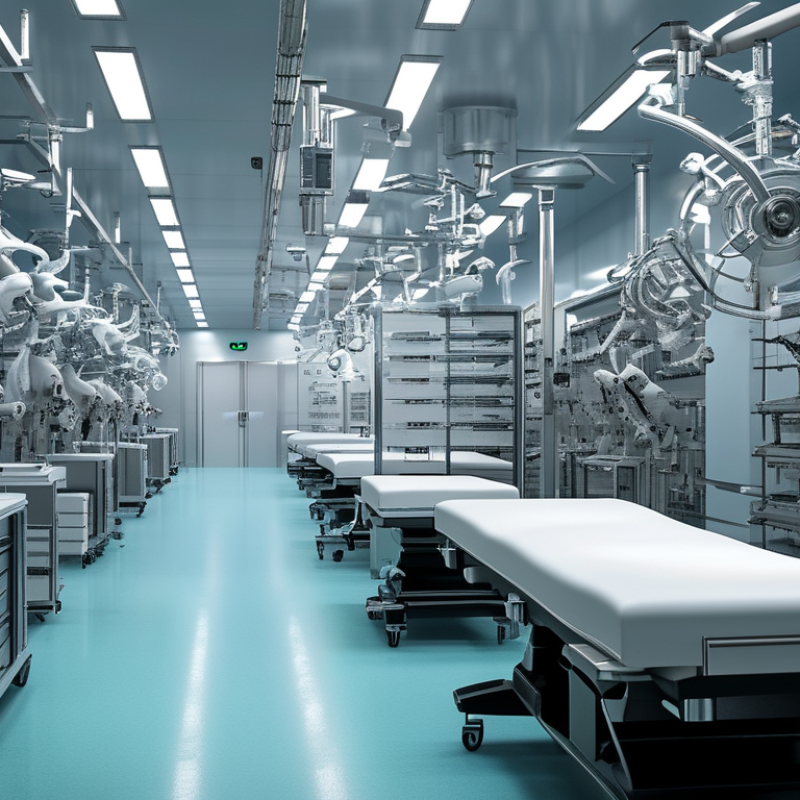
Temperature control is critical for storing orthopedic implants. Improper storage can lead to material degradation. This degradation may compromise the implants' mechanical properties. For instance, studies indicate that temperature fluctuations can decrease the tensile strength of certain polymers used in implants by up to 30%.
Orthopedic implants often contain bioactive materials. These materials are sensitive to temperature variations. Research from the Journal of Biomedical Materials notes that maintaining a stable temperature range ensures the integrity and effectiveness of these implants. Deviations can alter their chemical composition, potentially causing them to fail during use.
While maintaining temperature control seems straightforward, challenges persist. Many facilities lack adequate systems to monitor temperature consistently. Data show that about 25% of healthcare facilities face issues with temperature management. Neglecting this aspect can lead to serious consequences, including surgical complications. Ensuring proper temperature storage must be a priority to maintain patient safety and implant reliability.
Temperature plays a crucial role in the material properties of orthopedic implants. Certain polymers and metals used in these implants can lose their mechanical integrity when not stored properly. Studies show that high temperatures can lead to accelerated degradation of materials. For instance, polyether-ether-ketone (PEEK) becomes more susceptible to deformation above 70°C. This could compromise the safety and efficacy of the devices.
Additionally, low temperatures can result in brittleness. Titanium, commonly utilized in implants, can experience changes in strength and ductility when exposed to extreme cold. A report from the Journal of Biomedical Materials Research highlights that improper storage conditions may increase the risk of implant failure. This could have severe consequences for patient outcomes. The balance of temperature during storage is therefore essential for maintaining device reliability.
Many facilities overlook these temperature regulations. They may have inadequate monitoring systems. A study revealed that up to 30% of medical storage facilities do not comply with proper temperature controls. This oversight potentially jeopardizes patient safety. Prioritizing the right storage conditions is crucial in the orthopedic field to ensure that implants function as intended.
This chart depicts the relationship between temperature variations and the material properties of orthopedic implants, specifically focusing on tensile strength and elastic modulus. As temperature increases, both tensile strength and elastic modulus show a corresponding increase, highlighting the importance of controlled storage conditions.
Orthopedic implants require careful storage to maintain their integrity and functionality. When these devices are exposed to improper temperature conditions, significant risks arise. High temperatures can alter the materials in the implants, leading to degradation. This degradation affects the strength and lifespan of the device. Low temperatures, on the other hand, can cause brittleness in some materials, increasing the likelihood of breakage.
Beyond material changes, improper storage can also impact sterility. Devices stored in unsuitable environments may become contaminated, raising infection risks during surgical procedures. An implant that is not sterile can result in severe complications for patients. Additionally, fluctuating temperatures can complicate the manufacturing processes, leading to inconsistencies that compromise the device's performance.
Monitoring storage conditions is crucial. However, many facilities may lack rigorous protocols. This oversight can lead to devastating outcomes. Making storage practices a priority is essential, yet some still underestimate its importance. Precisely controlled environments should be the standard, not an exception. The consequences of neglecting proper storage could be dire, affecting patient safety and trust in orthopedic practices.
Temperature controlled storage is crucial for orthopedic implants. These implants are made from materials sensitive to temperature fluctuations. Exposure to extreme heat or cold can alter their properties. A study by the American Academy of Orthopaedic Surgeons indicates that maintaining a consistent temperature is essential for integrity. Implants can weaken or become damaged, potentially leading to failure.
Best practices for storage include keeping implants between 20°C to 25°C. Monitoring equipment should be used to ensure compliance. Regular audits can help address temperature deviations. According to the Joint Commission, 32% of healthcare facilities reported issues with storage practices. This highlights a need for improvement in maintaining standards.
Moreover, training staff on the importance of temperature control is vital. Many facilities overlook this aspect. Ensuring that personnel understand the implications of improper storage can prevent costly errors. Engaging in continuous education about best practices can foster a culture of safety and accountability. Being vigilant in these practices, even in a busy environment, is key to maintaining product quality and patient safety.
Orthopedic implants require specific storage conditions to maintain their integrity and safety. Regulatory guidelines dictate temperature controls to prevent material degradation. For instance, temperature fluctuations can compromise the strength of metal alloys used in implants. Such changes can lead to unexpected failures during surgeries.
Maintaining a consistent temperature is crucial. The ideal range often falls between 15°C and 25°C. Too cold or too hot can alter the chemical properties of implants. Additionally, packaging must be intact and stored in controlled environments. Improper storage may result in contamination or physical damage. Each of these factors can affect patient outcomes.
Professionals in healthcare must stay informed about these regulations. Knowledge of proper storage increases reliability and patient trust. However, some facilities may overlook these guidelines. This raises questions about accountability and quality assurance. Is every implant truly safe? These concerns must be addressed as part of the ongoing commitment to patient care.
| Dimension | Value |
|---|---|
| Recommended Storage Temperature | 15°C - 25°C (59°F - 77°F) |
| Maximum Humidity Level | 70% |
| Storage Duration | Up to 5 years (based on quality) |
| Effect of High Temperatures | Degradation of polymer-based components |
| Effect of Low Temperatures | Brittleness in certain materials |
| Storage Packaging Materials | Humidity-resistant and thermo-stable materials |
: Improper storage can degrade materials, affect strength, and shorten lifespan. It may also raise infection risks.
High temperatures can alter materials, weakening implants and increasing the chances of failure during surgeries.
Low temperatures can cause brittleness in materials, which may lead to breakage.
Non-sterile devices can cause severe complications during surgery. Contamination is a significant risk in improper storage.
The ideal temperature range is between 15°C and 25°C to maintain chemical properties and strength.
Not all facilities adhere to storage guidelines, which raises concerns about implant safety and patient trust.
If packaging is damaged, it can lead to contamination or physical damage, compromising device integrity.
Facilities must prioritize monitoring and maintaining controlled storage environments to protect implant quality.
Yes, neglecting proper storage can result in serious patient safety issues and loss of trust in orthopedic care.
Professionals should stay informed about regulations and ensure adherence to improve reliability and patient outcomes.
Orthopedic implants require strict temperature-controlled storage due to their sensitivity to environmental conditions, which can significantly impact their material properties. High or low temperatures may alter the mechanical and chemical characteristics of the implants, compromising their integrity and performance. Consequently, improper storage conditions pose significant risks, including potential malfunction or failure during use, which can ultimately endanger patient safety.
To mitigate these risks, it is crucial to adopt best practices for temperature-controlled storage in healthcare settings. Maintaining optimal storage conditions not only ensures the safety and efficacy of orthopedic devices but also aligns with regulatory guidelines established for medical equipment. Thus, understanding "why do orthopedic implants need to be stored in temperature-controlled environments" is essential for safeguarding both the devices and the patients who rely on them.

Axton Orthopedic Implants