China Top 10 Tips for Choosing Orthopedic Implants for External Fixation?

Time:2026-07-01 Author:Sienna
0%

Choosing the right orthopedic implants for external fixation procedures is crucial for successful outcomes. With various options available, it can be overwhelming for both healthcare professionals and patients. This guide offers valuable insights on how to choose orthopedic implants for external fixation procedures effectively.

Experience shows that understanding the specific needs of each case is essential. Factors like the type of injury, patient age, and overall health significantly influence the decision-making process. Quality and reliability should never be compromised. It’s important to consider the materials used in the implants. Different materials offer varying levels of stability and compatibility with the human body.

Many healthcare providers rely on established guidelines but should remember that every case is unique. Reflections on past experiences can lead to better choices in the future. Engaging with experienced surgeons can further enhance knowledge and improve decision-making. Overall, selecting the right orthopedic implants hinges on a blend of expertise, attention to detail, and a commitment to patient care.
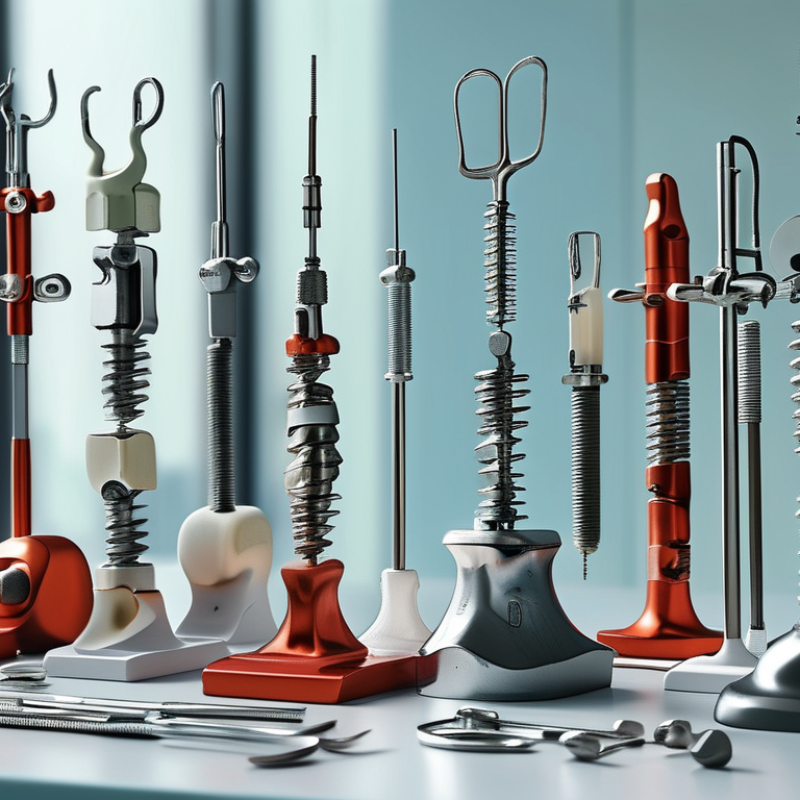
China Top 10 Tips for Choosing Orthopedic Implants for External Fixation?

Understanding the Basics of Orthopedic Implants for External Fixation

When selecting orthopedic implants for external fixation, understanding the basic types is vital. These implants stabilize bone fractures from outside the body. External fixation offers various advantages, like adaptability and minimal invasiveness. However, not all implants are created equal, and the choice can significantly affect recovery.

Different designs serve specific needs. For example, some are made for acute fractures, while others cater to chronic conditions. Material matters too. Titanium is popular for its strength and biocompatibility. That said, non-bioactive materials may lead to complications. It's crucial to consider the patient's overall health. Infections and allergies can arise, impacting healing.

Each case has unique challenges. What works for one patient might not suit another. Surgeons often face uncertainties when mapping out the best strategies. Collaboration with experienced professionals can enhance outcomes. Choosing the right implant can be complex, requiring trust in medical expertise and ongoing evaluation. Understanding the basics can guide informed choices in this intricate landscape.

Key Factors to Consider When Selecting External Fixation Implants

When selecting orthopedic implants for external fixation, several key factors demand careful consideration. The biocompatibility of materials is crucial. Implants must not provoke adverse reactions within the body. Additionally, the mechanical strength and rigidity of the fixators are vital. They must support the weight and stress experienced in different situations. Weight distribution is also important; improper balance can cause implant failure.

Another essential element is the ease of application and removal. Surgeons need implants that can be placed quickly and efficiently. This ensures a streamlined surgical process. Checking for versatility in design allows for adjustments and accommodates various patient needs. Furthermore, consider the ease of available follow-up care. Implants that enable better monitoring can facilitate recovery and provide feedback.

Lastly, it's essential to evaluate the manufacturer’s reputation. Reliable sources and peer reviews can offer insight into the quality and effectiveness of the implants. Be critical; not all implants fulfill their promises. Gathering this information can help ensure the best outcomes for patients. Balancing these factors can be challenging but is necessary for effective external fixation.

China Top 10 Tips for Choosing Orthopedic Implants for External Fixation

Tip Number Key Factor Description
1 Material Quality Choose high-quality materials that resist corrosion and are biocompatible.
2 Load Capacity Assess the load-bearing capacity suitable for the patient's condition.
3 Ease of Application Consider implants that are easy to assemble and apply during surgery.
4 Stability Ensure that the implants provide good stability for the injured area.
5 Compatibility Check compatibility with the patient's existing anatomy and conditions.
6 Radiopacity Select implants that are radiopaque for easy imaging during follow-ups.
7 Patient-Specific Design Consider if the design can be customized for the patient's unique anatomy.
8 Cost-Effectiveness Evaluate the cost in relation to the quality and longevity of the implant.
9 Regulatory Approval Ensure the implant meets local regulatory standards and certifications.
10 Follow-Up Support Choose suppliers that provide adequate follow-up and support services.

Evaluating the Quality and Safety Standards of Orthopedic Implants

When selecting orthopedic implants for external fixation, evaluating the quality and safety standards is crucial. The World Health Organization (WHO) emphasizes the need for high-quality medical devices to ensure positive patient outcomes. Reports indicate that poorly manufactured implants can lead to complications, such as infections or non-union of fractures. Data from the FDA show that around 1 in 10 orthopedic devices may fail. Such statistics underline the importance of rigorous quality assessment.

Quality assurance involves checking material certifications, manufacturing processes, and biocompatibility tests. Materials like titanium and stainless steel are commonly used due to their strength and corrosion resistance. However, even well-regarded materials can elicit unexpected reactions in certain patients. Research suggests that up to 15% may experience adverse tissue reactions, reminding practitioners to prioritize patient-specific factors.

Safety standards from regulatory bodies should not be overlooked. Compliance with ISO standards, for instance, ensures that products meet global safety benchmarks. Yet, inconsistencies exist across regions. This raises concerns about the reliability of some implants in the market. Continuous monitoring and transparent reporting from manufacturers are essential to maintain trust in orthopedic implants. Regular audits and feedback can identify areas for improvement and enhance overall product safety.

Assessing Compatibility with Patient-Specific Needs and Conditions

Choosing the right orthopedic implants for external fixation often requires extensive evaluation of patient-specific needs. Medical professionals should consider age, bone quality, and activity level. Each patient presents unique challenges. This variability demands an individualized approach to selecting implants. For example, a younger athlete may require a different solution than an elderly patient with osteoporosis.

Another critical factor is the compatibility of the materials used. Some patients may have allergies to metals or polymers, affecting their healing process. Understanding these conditions is essential for optimal outcomes. Knowing how these factors intertwine with the implants can lead to better functionality and satisfaction.

It’s important to remember that not every implant performs flawlessly in every scenario. Surgeons should remain open to feedback from patients post-surgery. This ongoing dialogue can reveal unforeseen complications or issues, providing valuable data for future decisions. Reflection on past cases can help refine the selection process, leading to improved patient care.

Cost vs. Benefit Analysis of External Fixation Options in Orthopedics

When considering external fixation in orthopedics, a cost-benefit analysis is crucial. Patients and surgeons must evaluate the effectiveness and associated costs of various implants. Some options may be less expensive but yield poorer outcomes. Others may come at a premium but provide enhanced stability and faster recovery. Understanding this balance helps in making informed choices.

In making choices about orthopedic implants, keep several tips in mind. Evaluate the material used in the implants. Titanium and carbon fiber are popular due to their strength and lightweight properties. Investigate the body’s compatibility with the materials, as rejection can occur. Always consult with a qualified orthopedic surgeon to discuss the implications of each option.

Additionally, consider the learning curve associated with different devices. Some fixation methods may require advanced skills to implement effectively. This can impact overall recovery time and project costs. Be prepared to ask questions and understand the trade-offs involved in each decision. Making an informed choice can lead to better long-term outcomes.

FAQS

: What are orthopedic implants for external fixation?

: They stabilize bone fractures from outside the body using various designs and materials.

Why is material choice important in implants?

Material affects strength, biocompatibility, and potential complications during recovery.

How do design types differ for external fixation?

Some designs are for acute fractures, while others cater to chronic conditions.

What role does patient health play in implant selection?

Overall health impacts the choice, as infections and allergies can complicate healing.

How can surgeons ensure successful outcomes with implants?

Collaboration with experienced professionals and ongoing evaluation of choices is vital.

What factors affect the ease of applying implants?

Quick application and removal are essential for a smooth surgical process.

Why is it crucial to evaluate implant quality?

Poorly manufactured implants can lead to complications like infections and non-union.

How can manufacturers maintain trust in implant safety?

Continuous monitoring, transparent reporting, and regular audits improve product reliability.

What is the significance of biocompatibility in implants?

Implants must not provoke adverse reactions, ensuring patient safety during recovery.

How do safety standards impact implant selection?

Compliance with safety standards ensures products meet global benchmarks, reducing risks.

Conclusion

When considering how to choose orthopedic implants for external fixation procedures, it is essential to first understand the fundamental aspects of these implants and their purpose in orthopedic treatments. Key factors to evaluate include the specific requirements of the patient's condition, the quality and safety standards of the implants, and how these elements align with the individual patient’s needs.

Additionally, assessing the compatibility of the implants with the patient’s specific medical conditions is critical to ensuring a successful fixation. A thorough cost vs. benefit analysis is also necessary, as it helps weigh the potential advantages against the financial implications. By addressing these factors, healthcare professionals can make informed decisions that optimize patient outcomes in orthopedic care.

Sienna

Sienna

Sienna is a skilled marketing professional with a deep expertise in our company’s core products and services. With a passion for innovation and detail, she plays a pivotal role in crafting insightful blog posts that not only highlight the unique features of our offerings but also provide valuable......