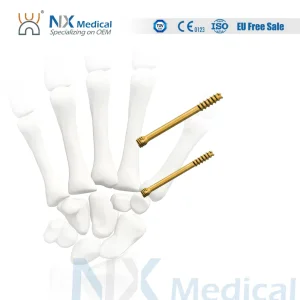
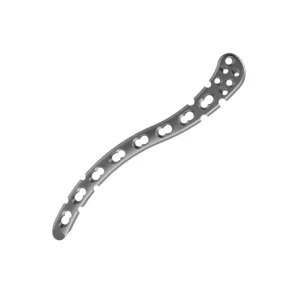
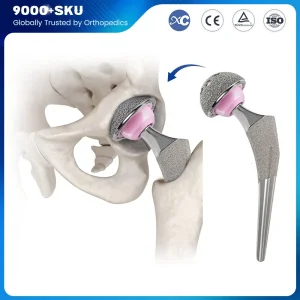
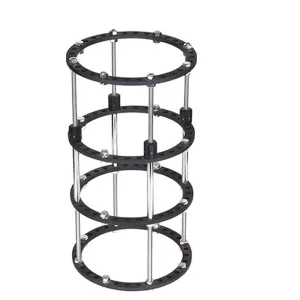
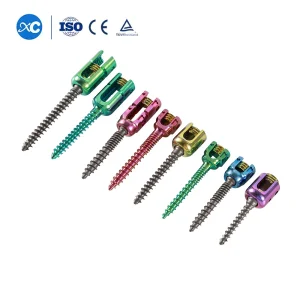
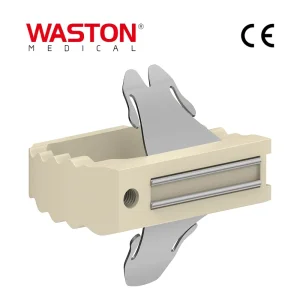
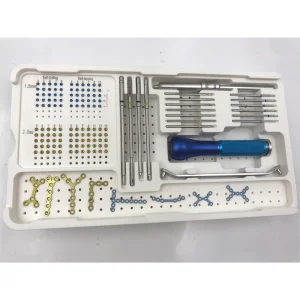
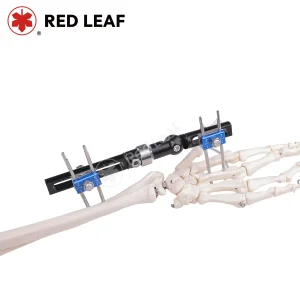
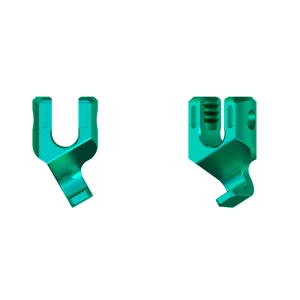
Orthopedic plate screws, despite their small physical profile, represent a marvel of mechanical engineering and metallurgical science. In rigid internal fixation, these screws function to transform applied torque into compressive force across a fracture gap, while simultaneously resisting tensile, shear, and bending loads.
We source medical-grade Titanium Alloys (specifically Ti-6Al-4V ELI conforming to ASTM F136) and high-purity Stainless Steel (316LVM conforming to ASTM F138). These alloys prevent galvanic corrosion and optimize fatigue life under cyclic weight-bearing stress.
Screws are designed with distinct thread profiles matching localized bone density. Cortical screws utilize a shallow pitch and small outer diameter to engage dense bone, whereas cancellous screws feature a deeper, wider pitch to secure fixation in spongy trabecular bone structure.
Traditional non-locking configurations rely on friction between the plate and bone for stability. In contrast, locking plate screws construct a fixed-angle construct where the screw head threads directly engage the bone plate, protecting local periosteal perfusion.
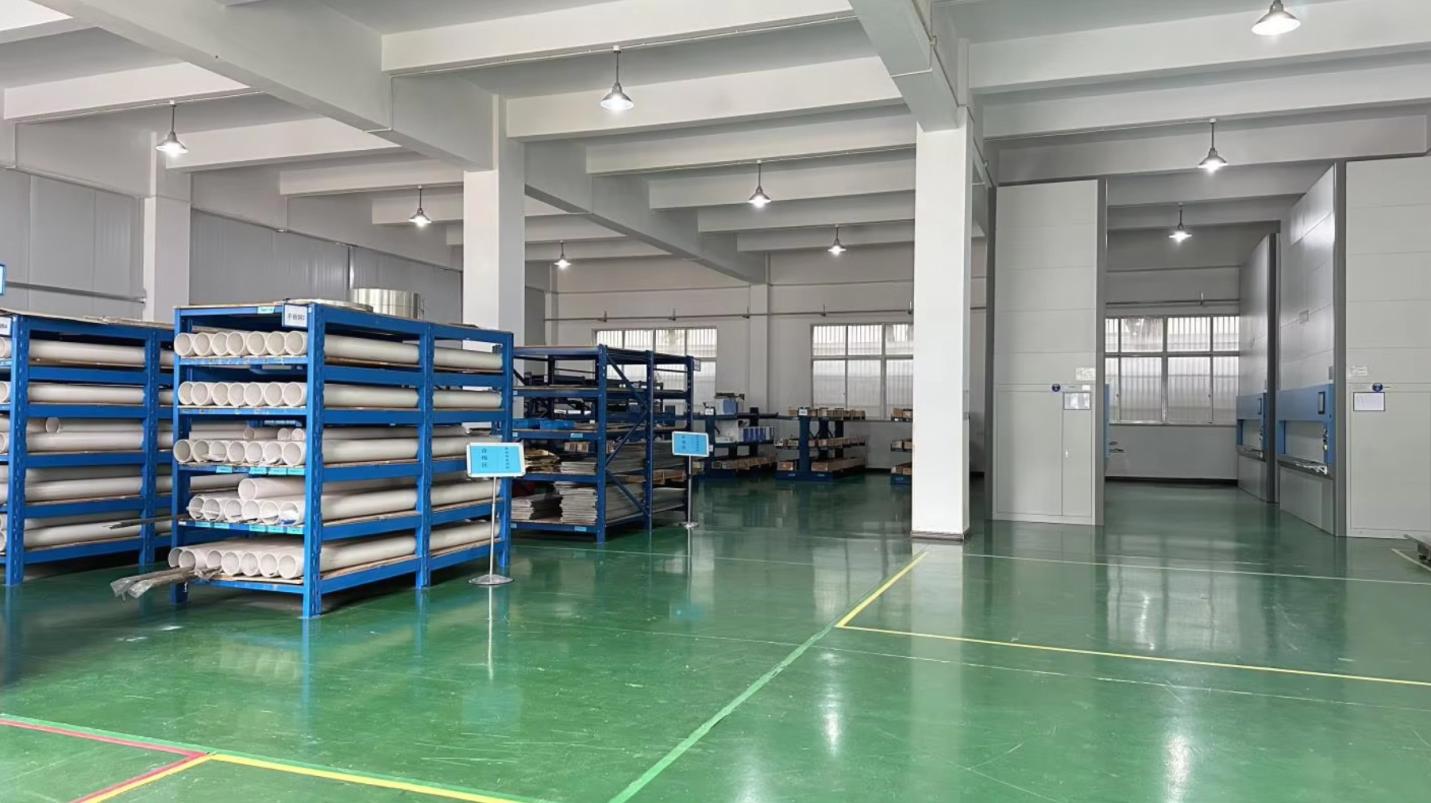
Leveraging established regional ecosystems, Chinese medical manufacturing facilities deliver significant structural cost benefits and scaling speeds that traditional localized operations struggle to replicate. From advanced raw material sourcing to sub-micron machining tolerances, our production systems operate under stringent international certifications.
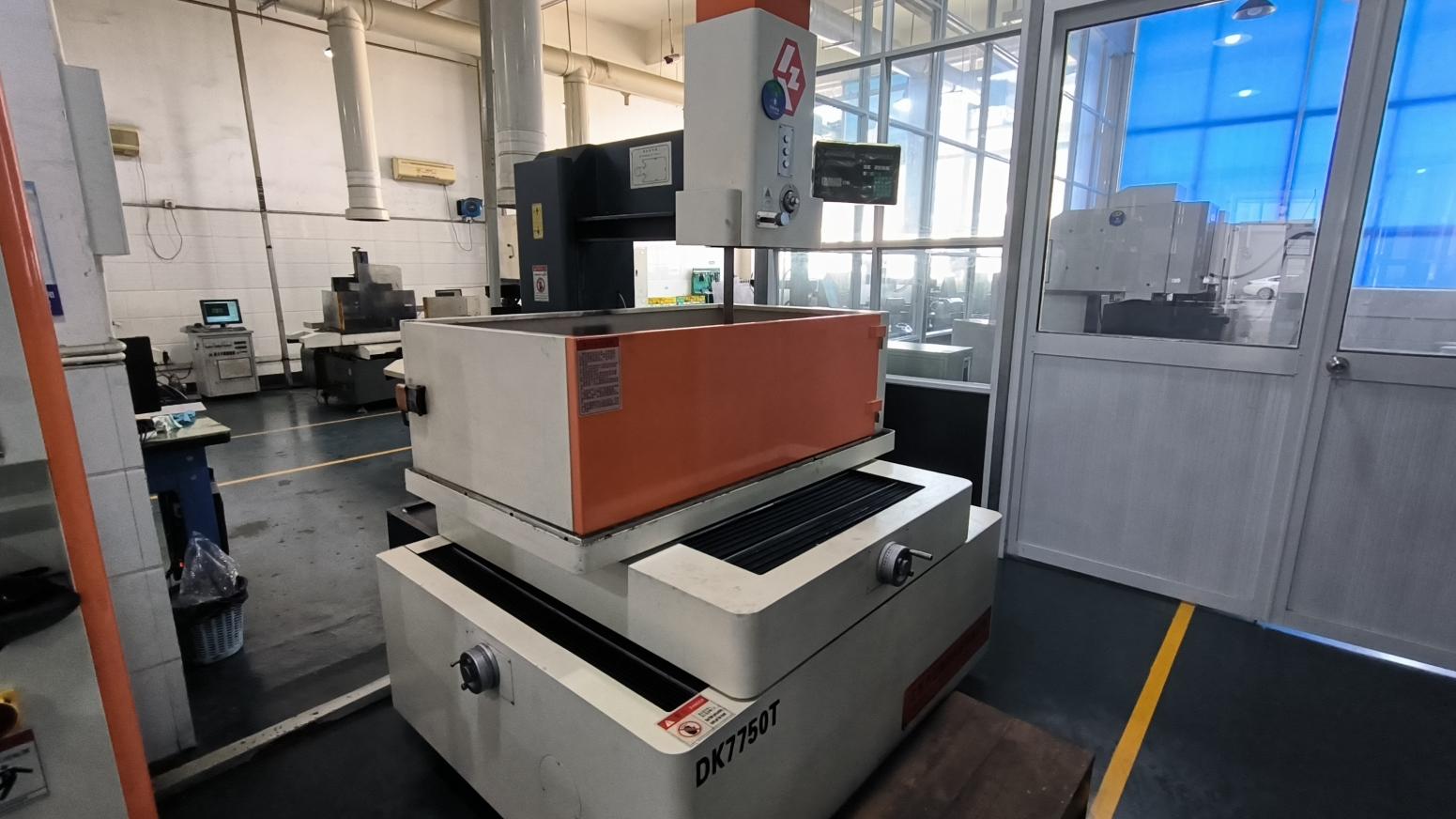
Maintaining a linear validation process is essential for compliance. Our facilities strictly monitor material chemistry, CNC precision cutting, wire EDM processing, and surface passivation to assure uniform torque tolerance and zero mechanical failure points.
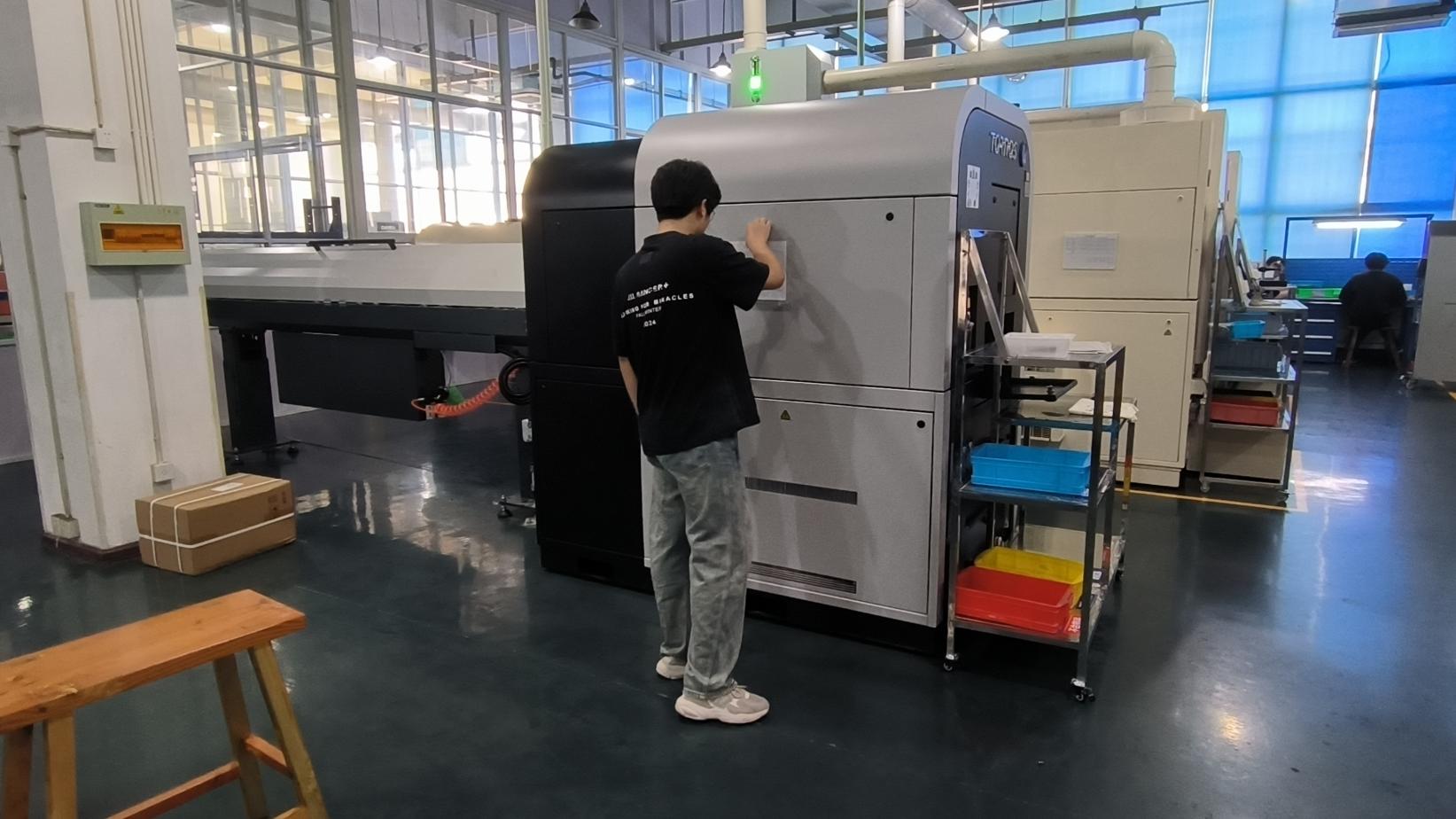

A major strength of the company lies in its expertise in 3D printing and customization. With advanced technology, the company is able to create personalized medical devices that perfectly fit each patient. This customization not only enhances treatment outcomes but also improves patient comfort and overall satisfaction.
By feeding patient CT data into advanced CAD software, our engineering team can reconstruct anatomical structures and build custom plate systems. Screws can be designed with varying densities, optimized threads, and customized lengths to ensure a direct match with localized bone thickness.

Our advanced quality control framework employs coordinate measuring machines (CMM), optical sorting tools, and scanning electron microscopy. This ensures that every locking screw thread profile conforms strictly to mechanical drawings and maintains low dimensional tolerance variation.
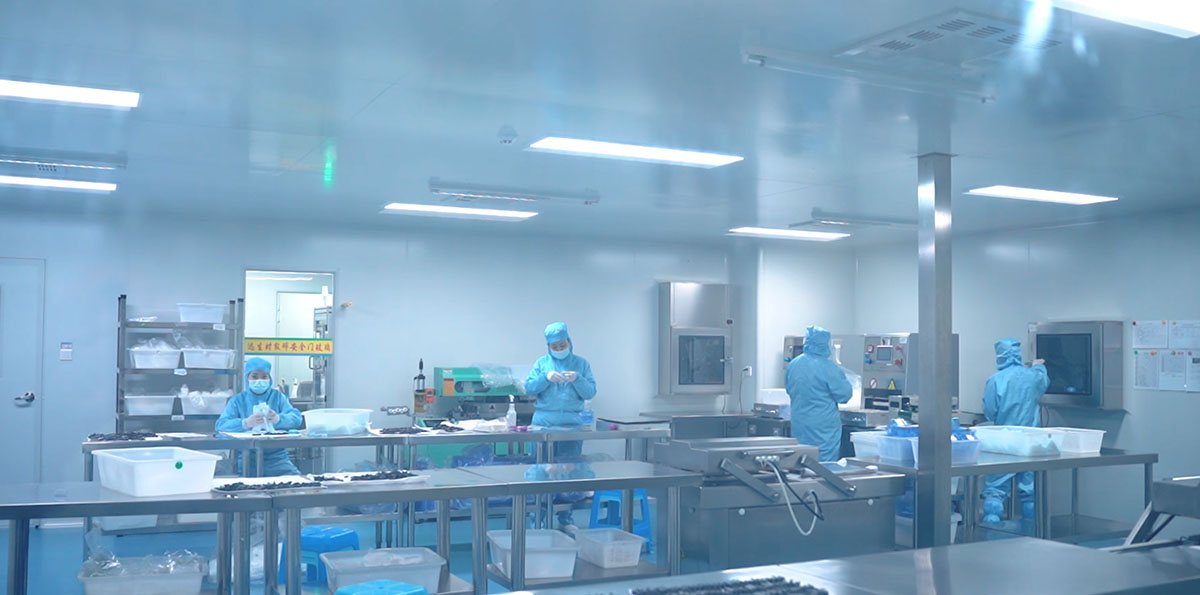
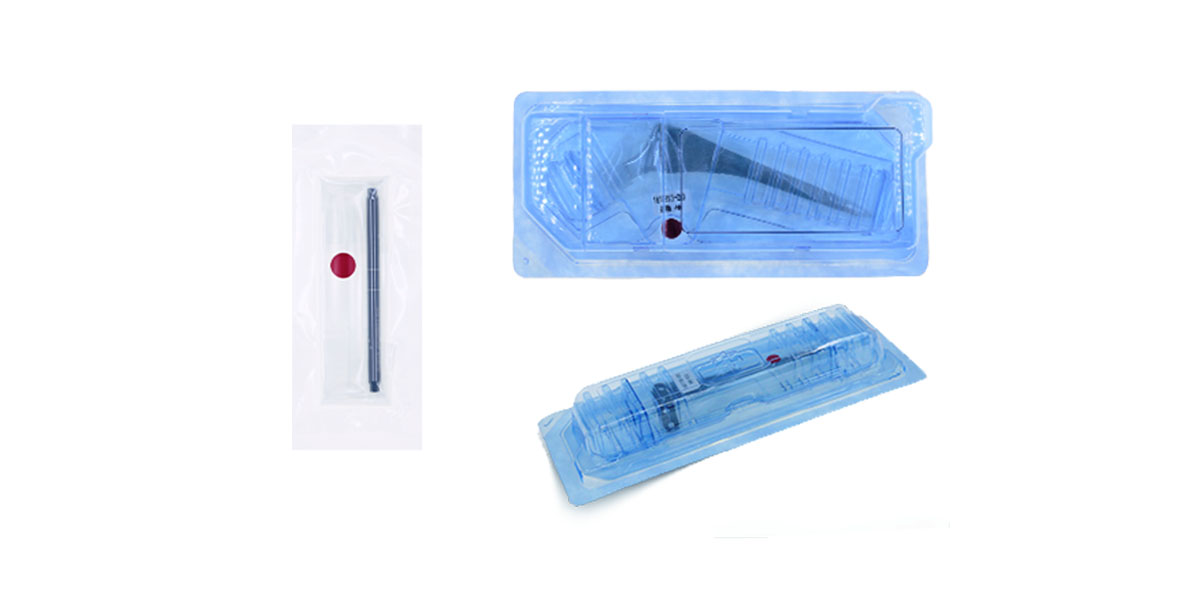
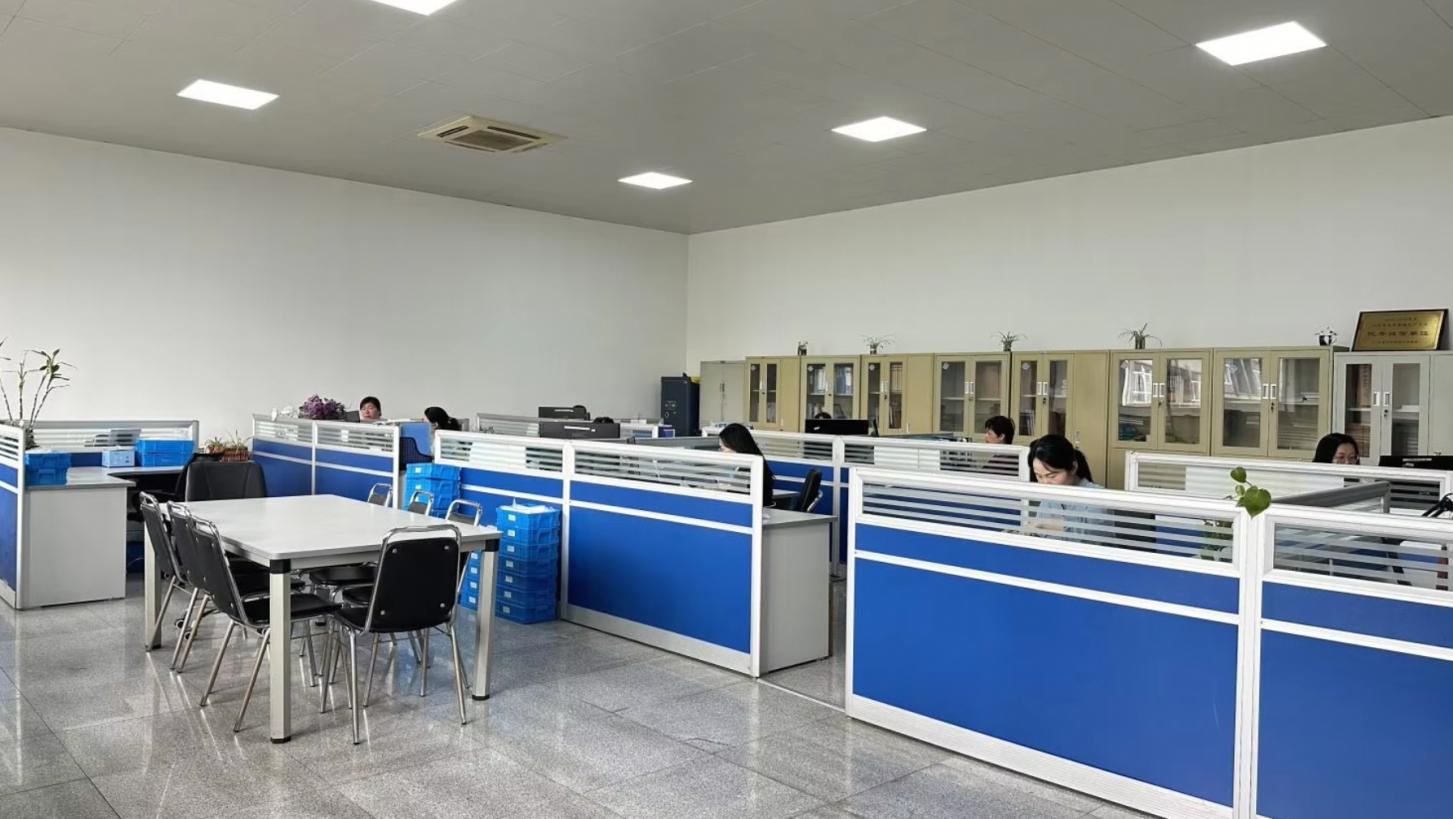
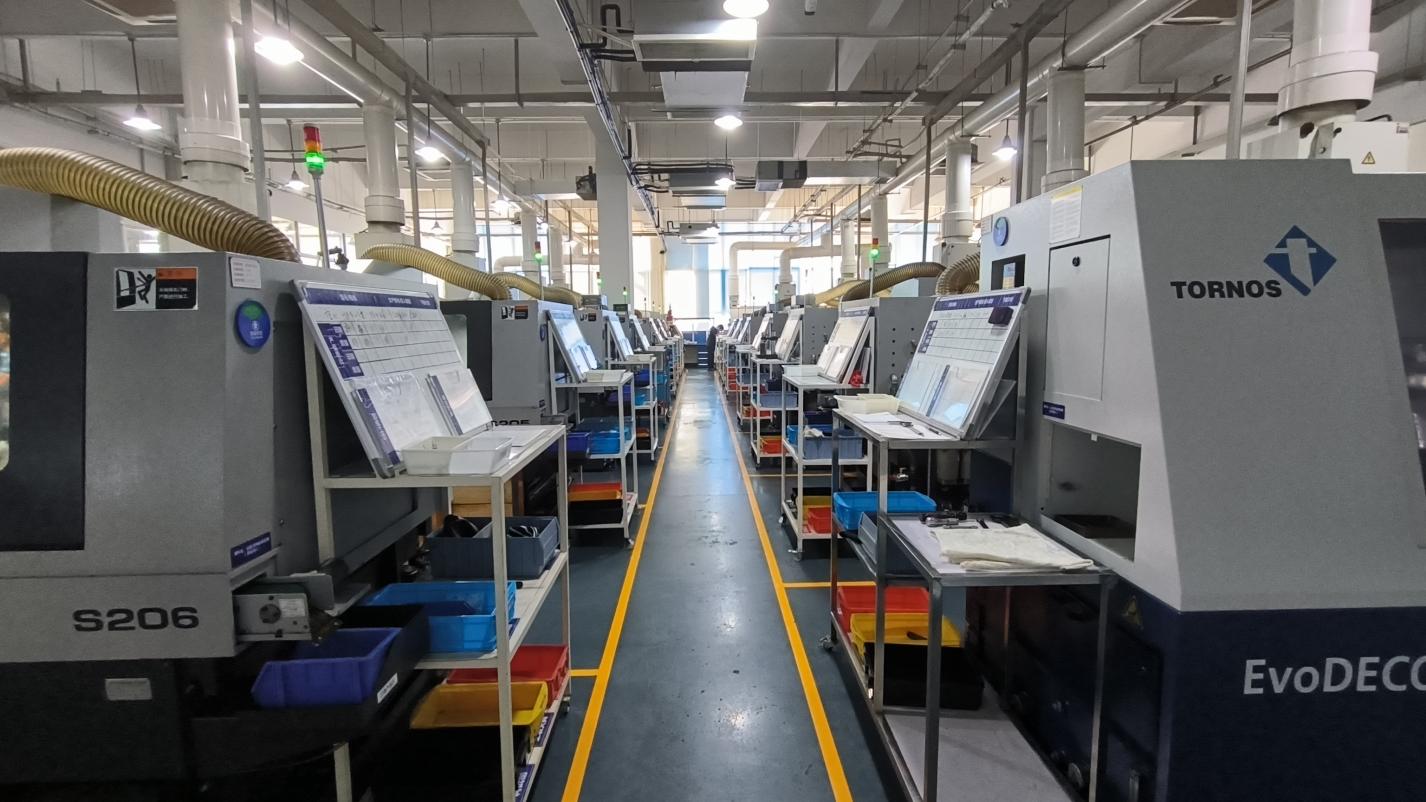
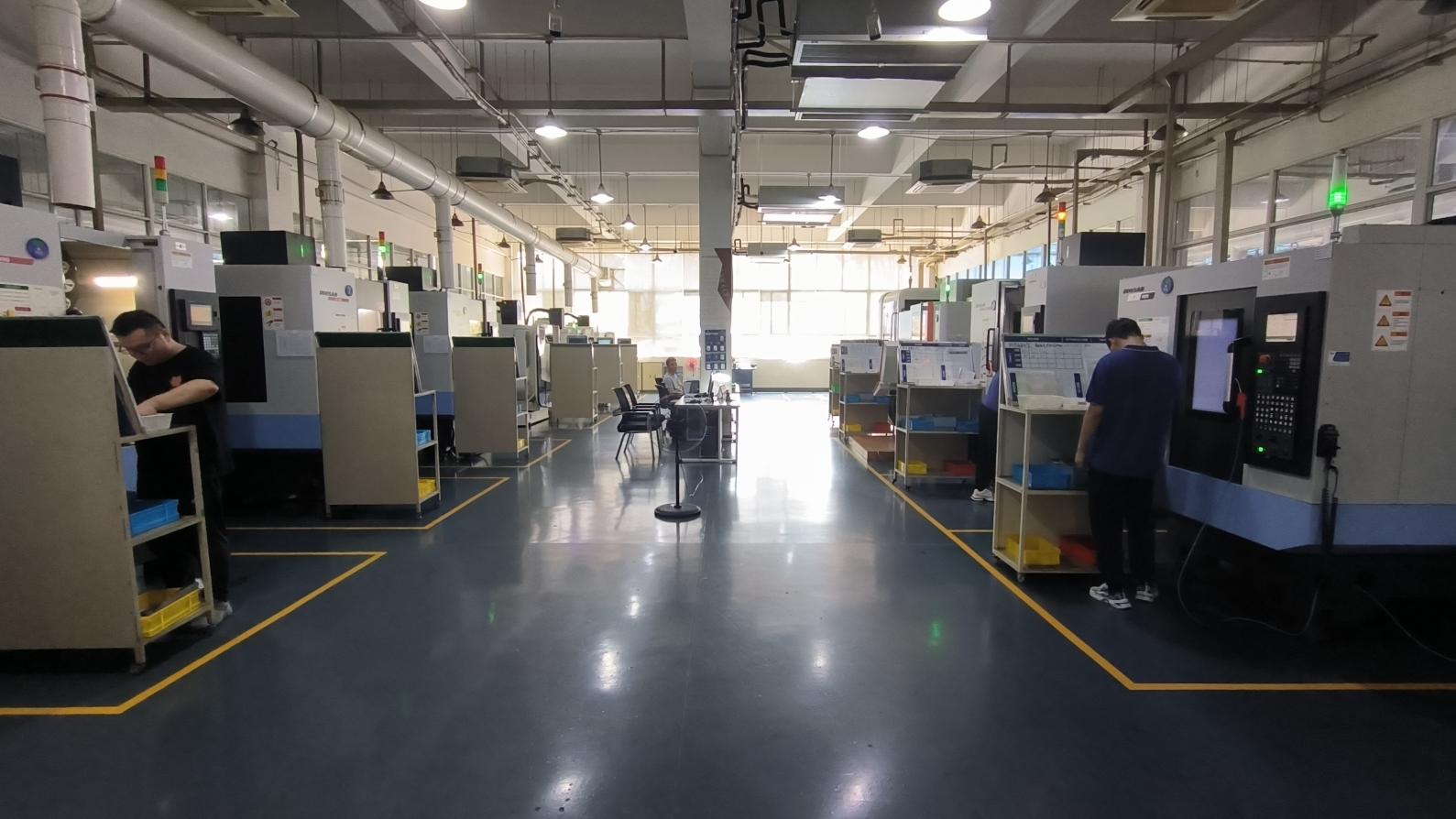
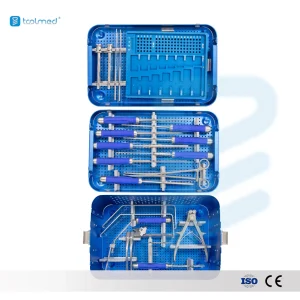
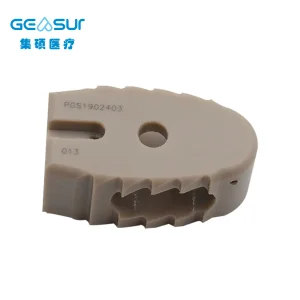
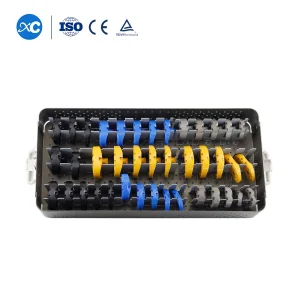
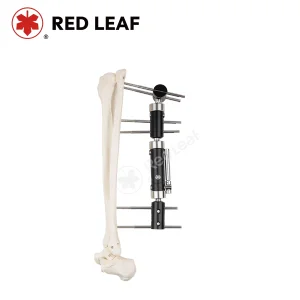
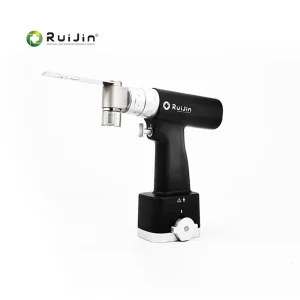
We offer orthopedic implants, joint implants, brushless motors, and other products designed to meet high-level surgical demands.
Securing regulatory pathways is a core requirement when importing orthopedic devices. Distributors, hospitals, and surgical buying groups face complex compliance requirements when navigating international markets.
We work closely with localized distributors to align with regional standards. To date, our products have been widely used in dozens of countries across Asia, Latin America, Africa, and Europe, and have gained recognition from local distributors and surgeons.
Our production facilities operate strictly under ISO 13485 (Medical Devices Quality Management Systems). We offer comprehensive documentation, test data, biocompatibility reports (ISO 10993), and sterilization validation files to facilitate regulatory registration.
We combine advanced logistics networks, real-time tracking, and emergency reserve stocks to prevent shortages in hospital supplies, ensuring seamless critical trauma care and planned elective operations.
The orthopedic fixation market is rapidly changing, driven by improvements in material sciences and digital planning tools. Leaders in OEM plate screw manufacturing must continually adapt to these shifts:
 Axton Orthopedic Implants