Discover our comprehensive collection of CE-certified trauma hardware, micro-fixation tools, and dynamic orthopedic structural systems designed for complex surgical reconstructions.
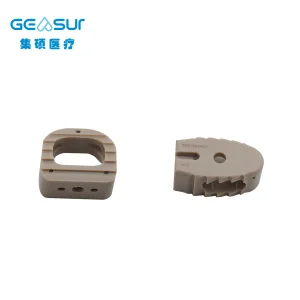
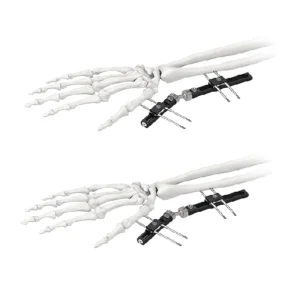
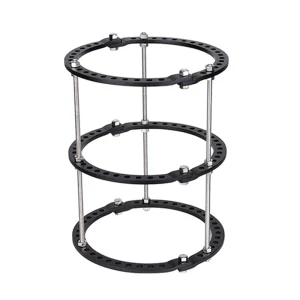
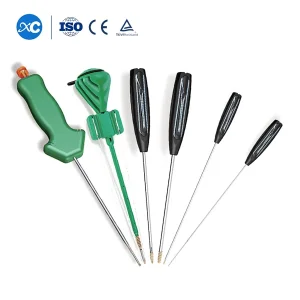
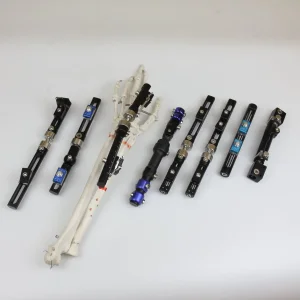
In the precision-driven field of orthopedic surgery, trauma implants represent a critical therapeutic class that requires absolute mechanical reliability, biocompatibility, and anatomical accuracy. Trauma implants are primarily used to reconstruct bones that have sustained acute structural damage from impacts, accidents, or sports injuries. Choosing the right manufacturer is not just a business decision; it directly affects clinical outcomes, surgical workflow efficiency, and long-term patient recovery rates.
The global trauma fixation market has experienced significant technological shifts over the past decade. Traditionally dominated by standard stainless steel plates and screws, the modern medical landscape now prioritizes biocompatible materials such as Grade 5 Titanium (Ti-6Al-4V ELI), Polyetheretherketone (PEEK), and bioresorbable polymers. Key global manufacturers compete on the margins of mechanical load sharing, stress shielding mitigation, and advanced locking mechanisms. Furthermore, distributors and B2B buyers look for suppliers that can offer high-mix, low-volume custom medical implants, as well as mass-production capabilities.
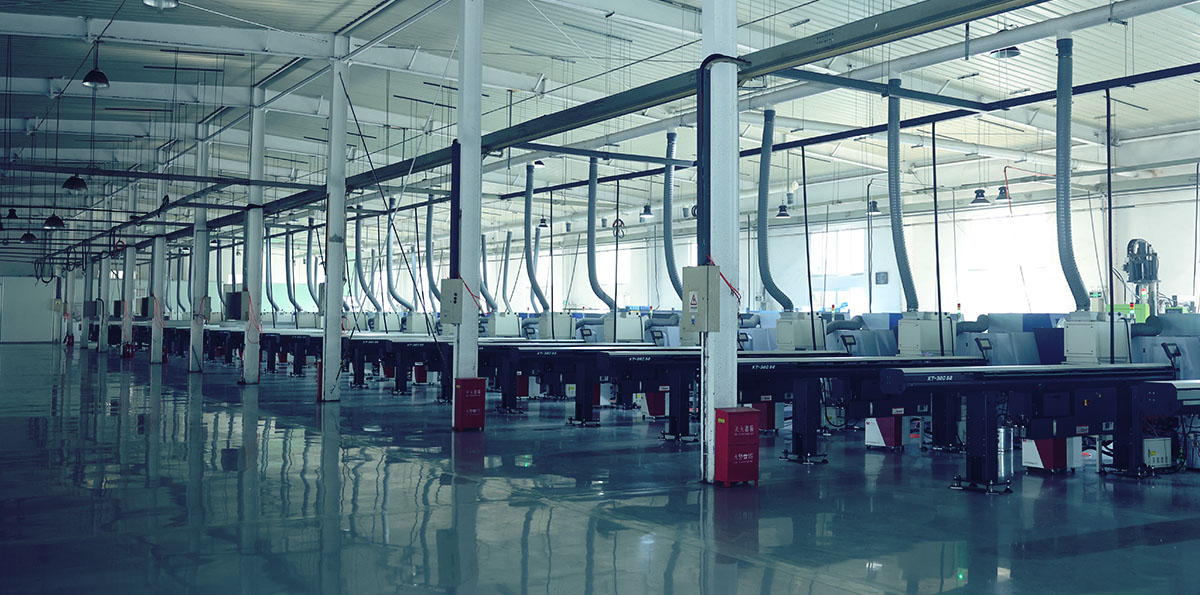
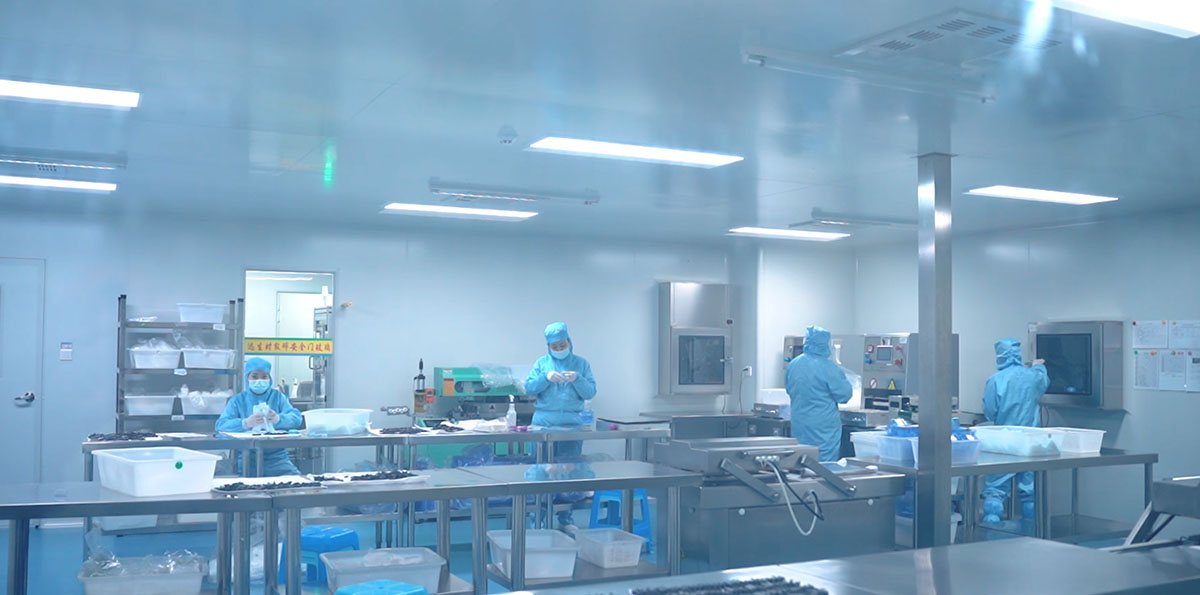
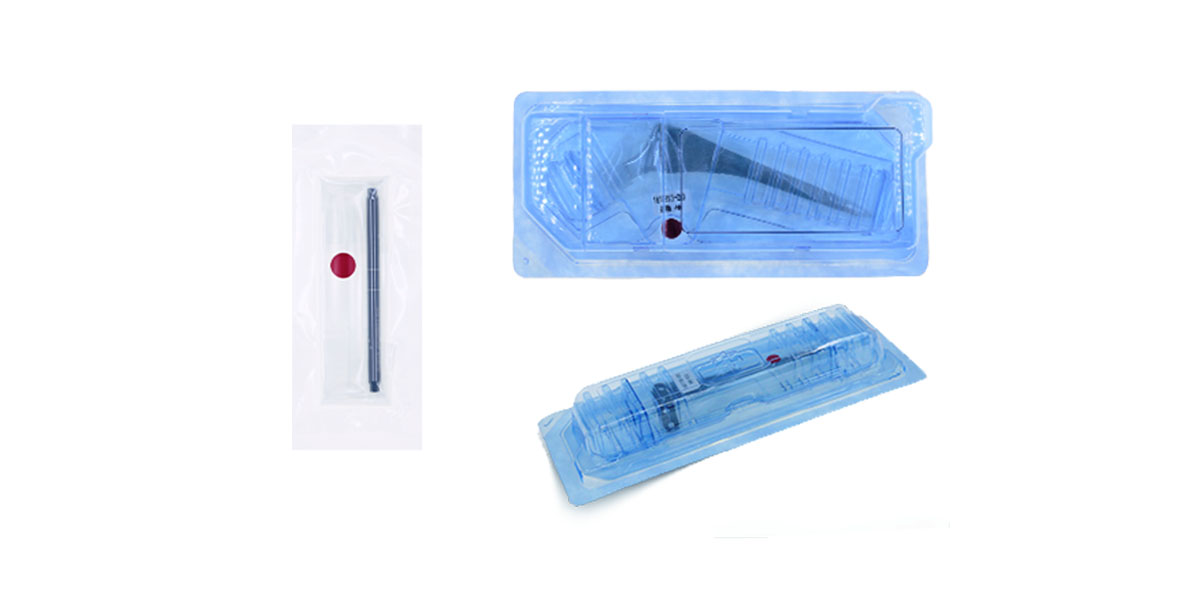
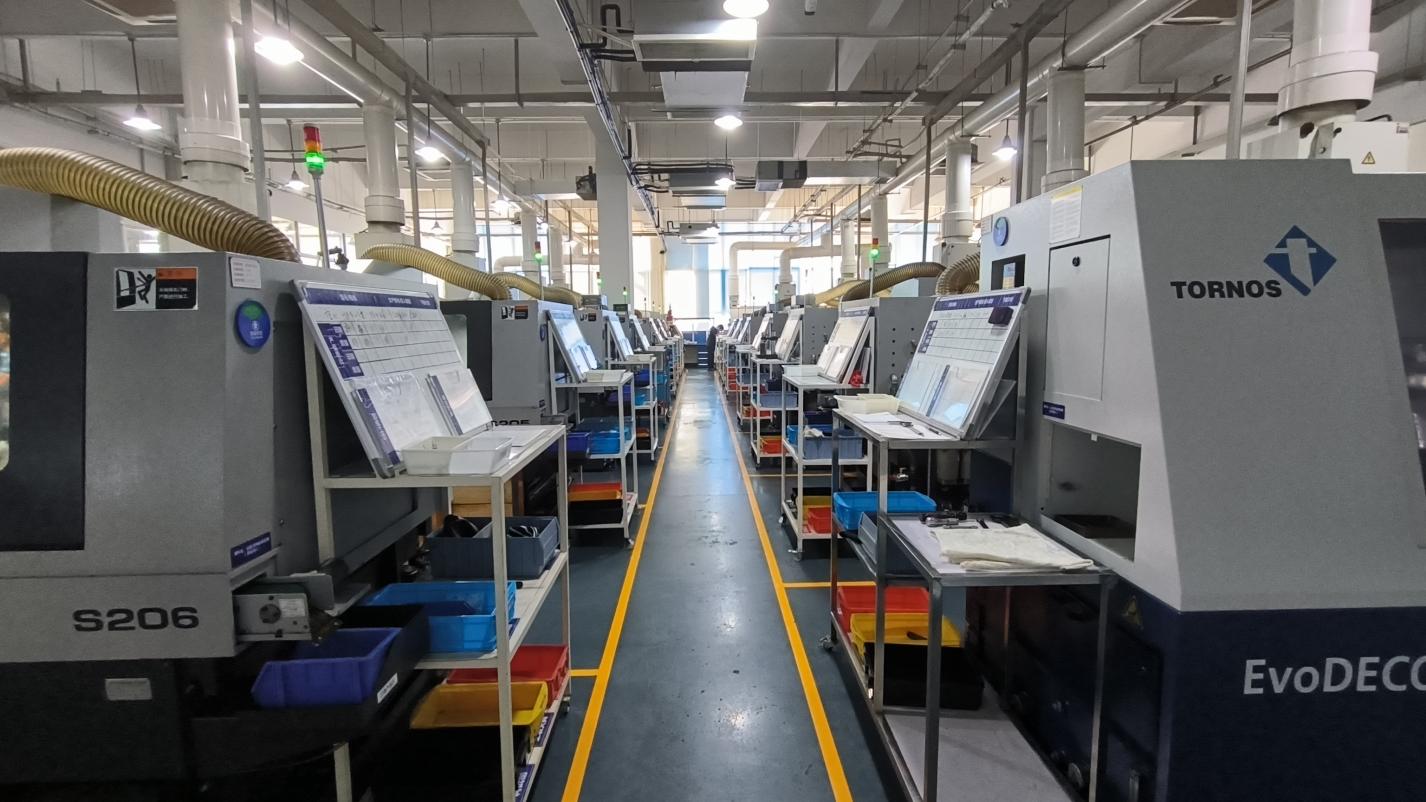
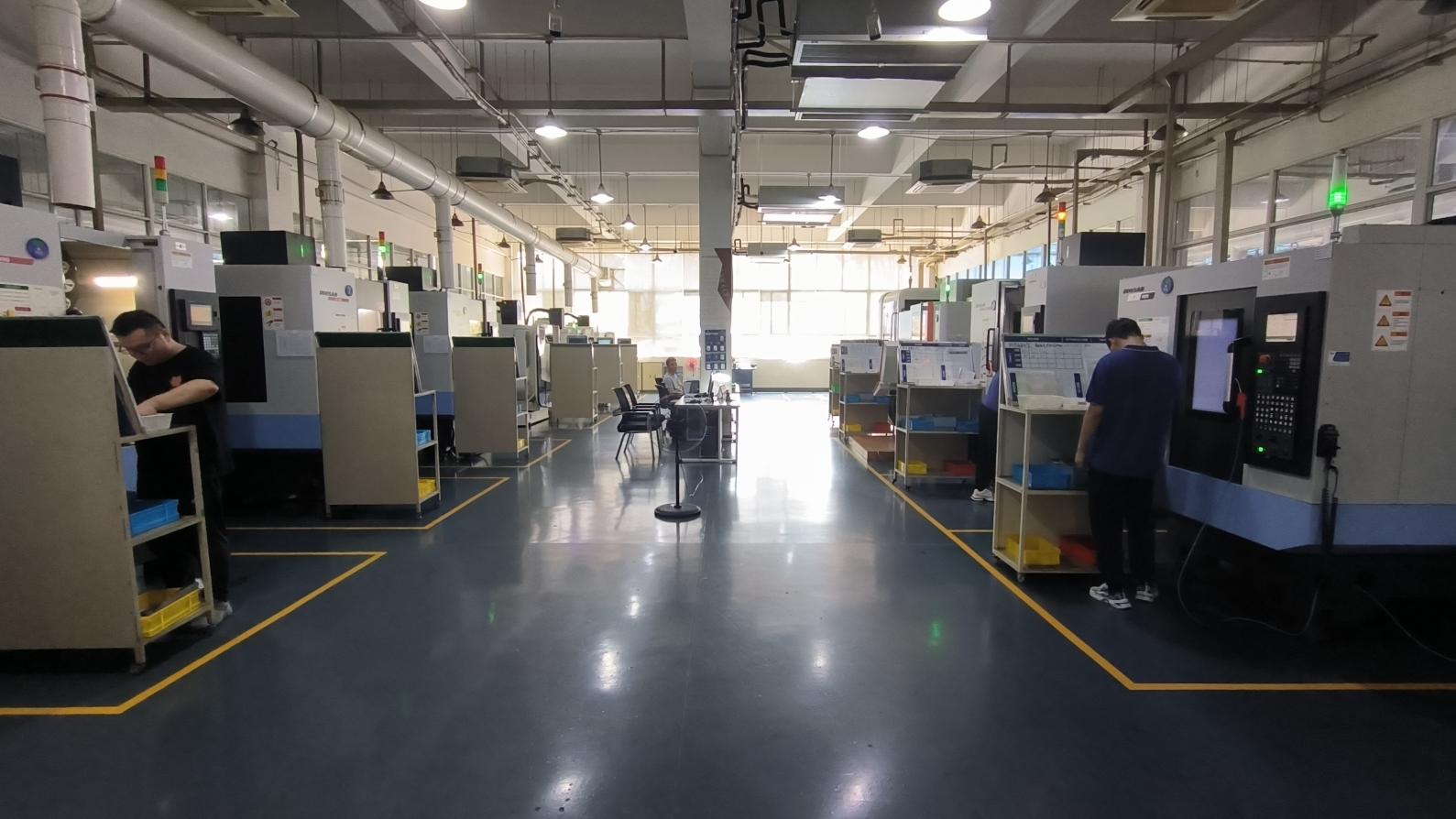
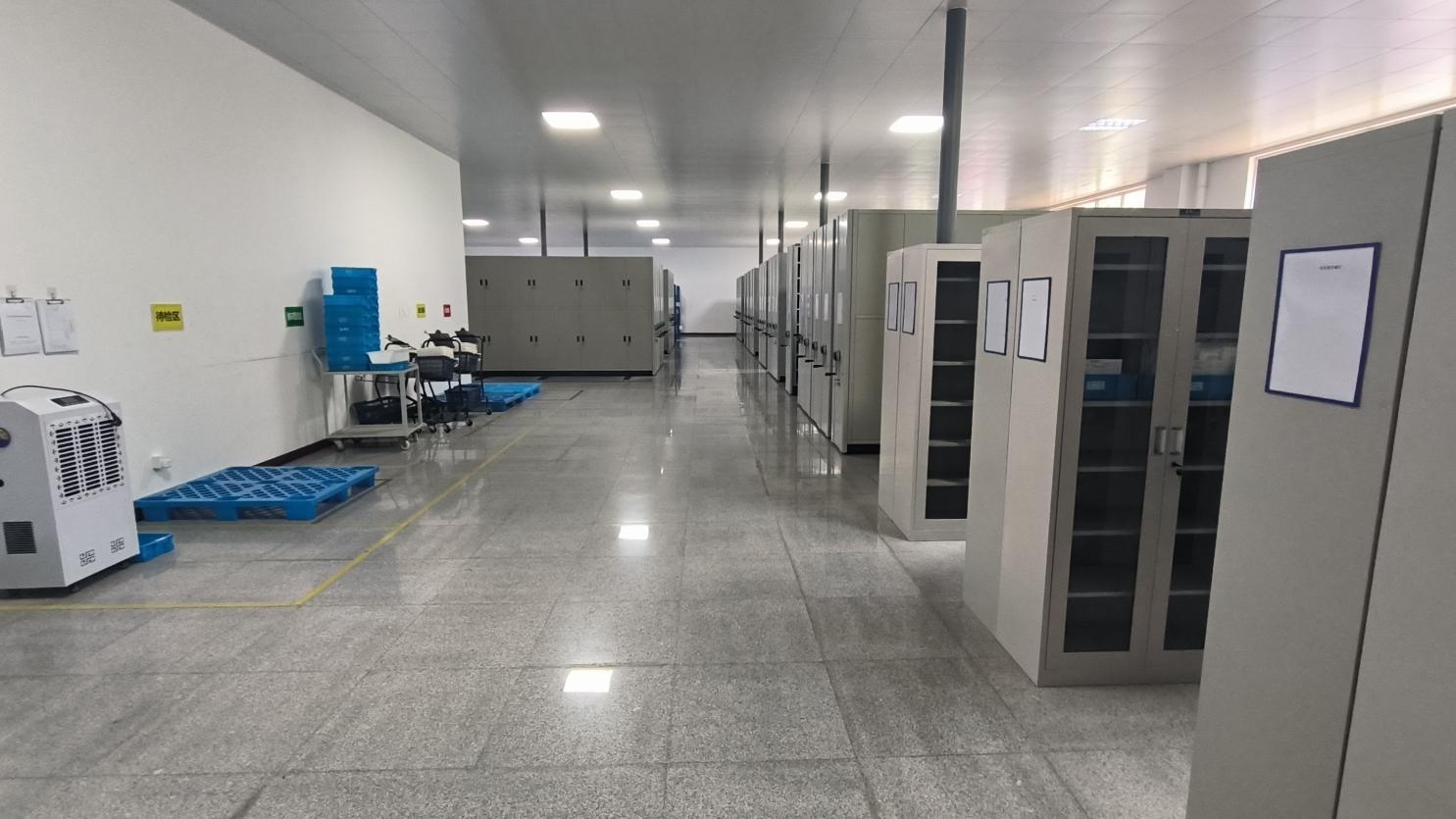
Our manufacturing ecosystem, built and refined since 2009, showcases the growth of modern orthopedic engineering. Backed by over 13 years of technical experience and a robust workforce of 300+ employees—including more than 100 senior and medium-level technicians—we have established a complete manufacturing cycle. This system spans from high-grade raw materials inspection to sophisticated wire cutting and cleanroom assembly.
When sourcing trauma implants globally, buyers look for consistency, cost-effectiveness, and scaling capabilities. Chinese manufacturing centers have transitioned from basic contract assembly to high-end engineering hubs that produce world-class medical devices. By combining domestic raw material access with vertically integrated processing lines, Chinese manufacturers offer competitive pricing without compromising on international standards.
Key components of this supply chain advantage include:
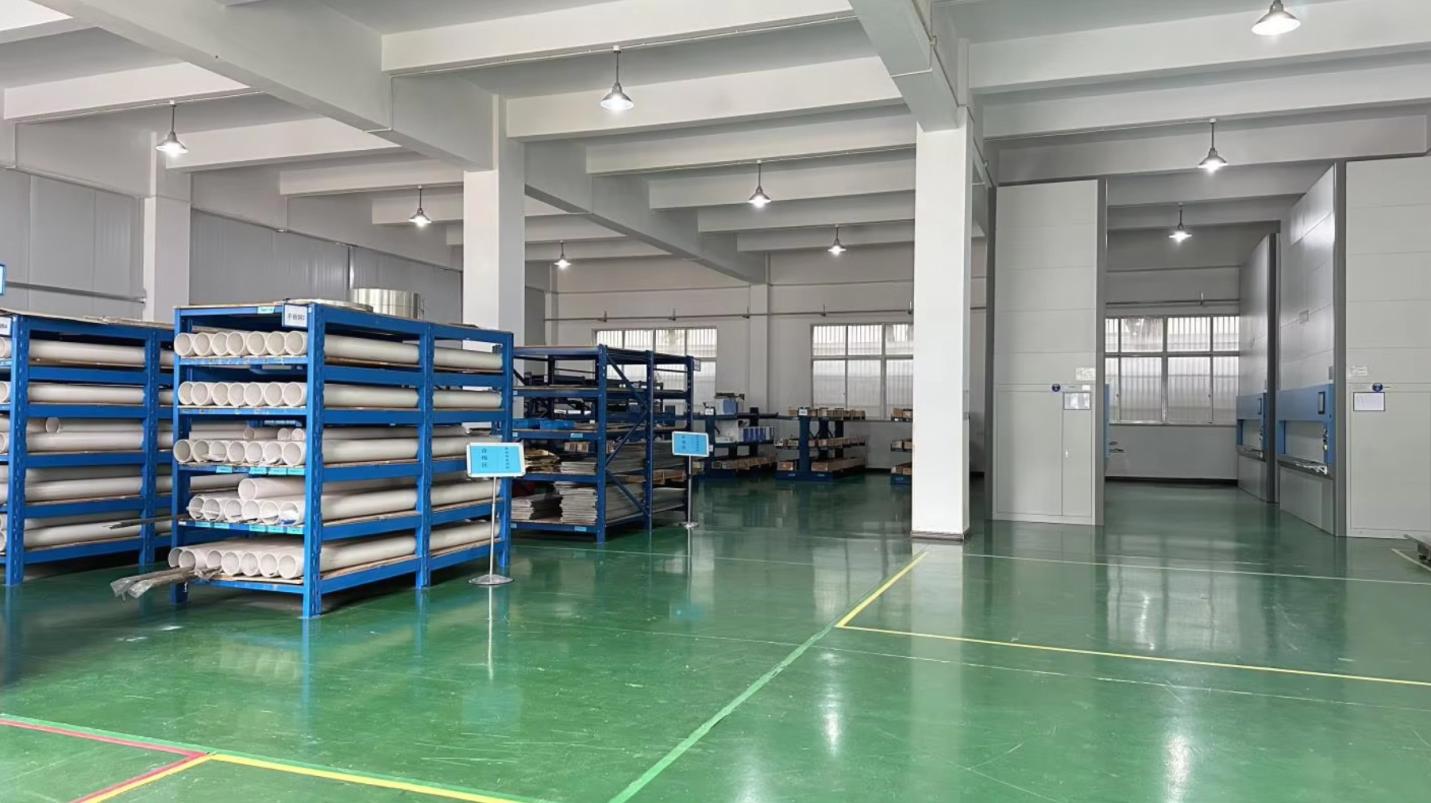
Sourcing biocompatible titanium alloys and medical-grade polymers with complete chemical traceability.
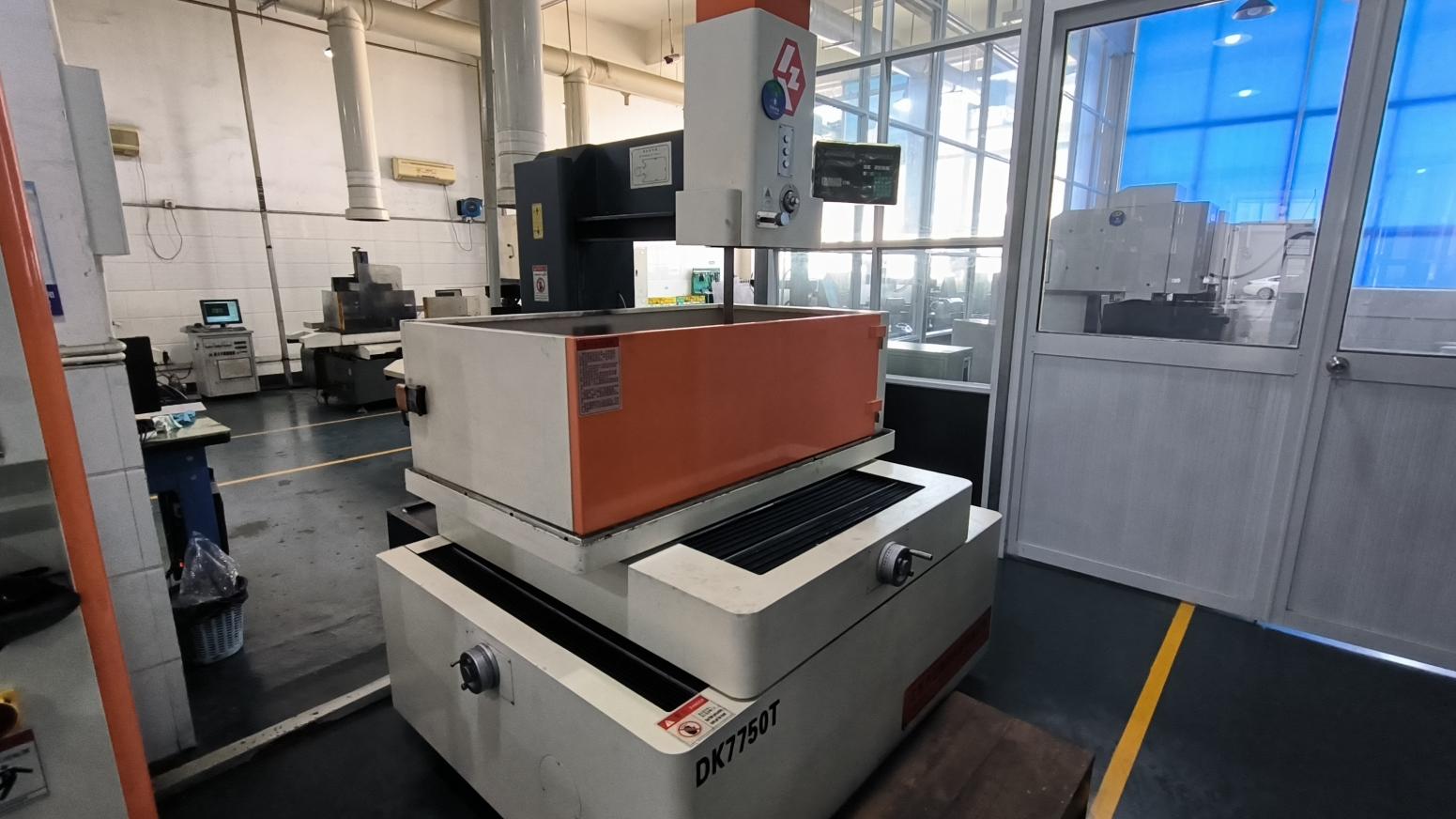
High-precision wire electrical discharge machining (EDM) for tight tolerances and structural integrity.
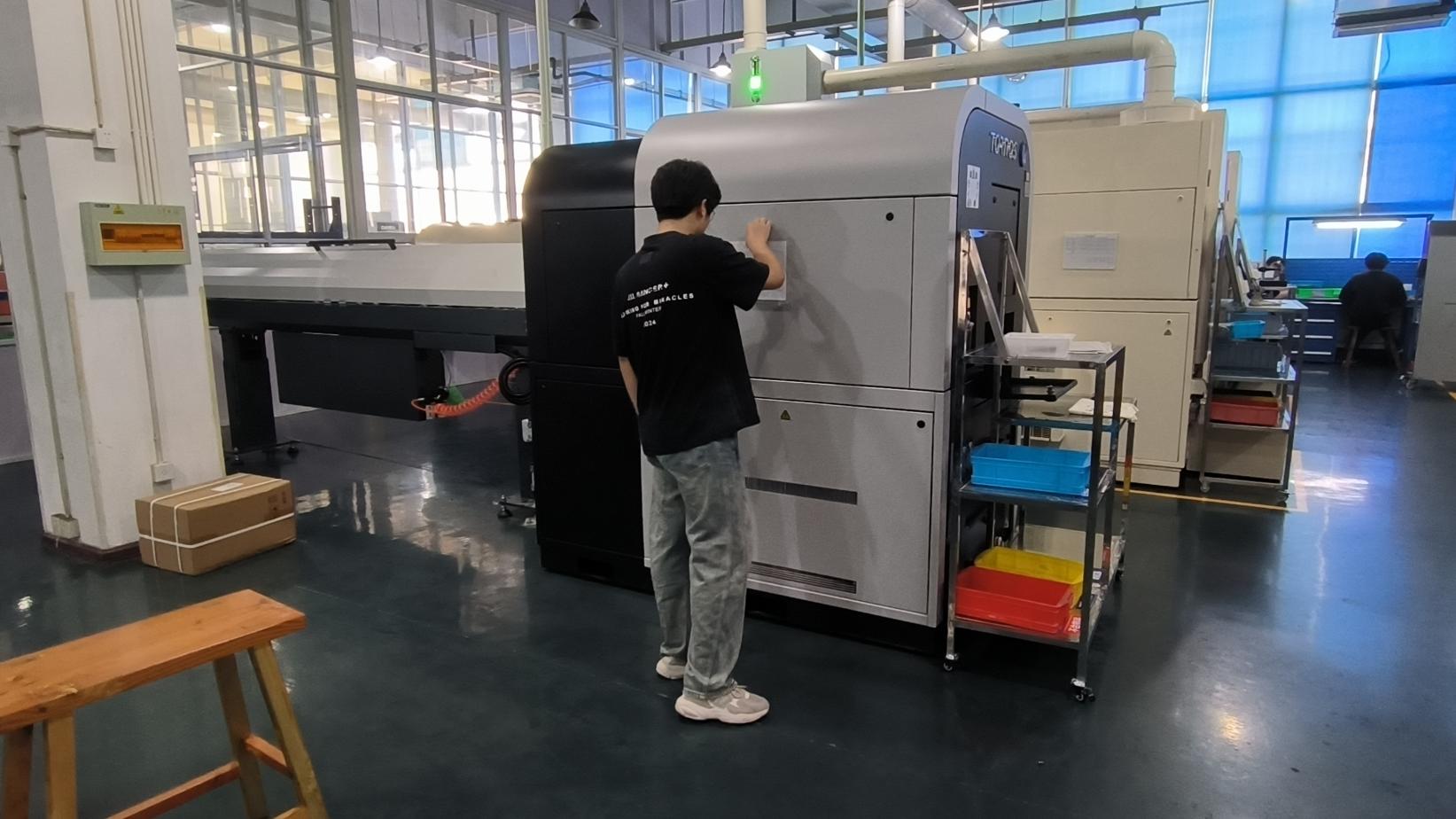
Rigorous coordinate measuring machine (CMM) testing to verify that all surgical components meet standard specifications.
A major strength of the company lies in its expertise in 3D printing and customization. With advanced technology, the company is able to create personalized medical devices that perfectly fit each patient. This customization not only enhances treatment outcomes but also improves patient comfort and overall satisfaction.
We offer orthopedic implants, joint implants, brushless motors, and other products.
Traditional plates and nails are manufactured in standard sizes, requiring surgeons to manually bend and shape them in the operating room. This approach can increase operating times and compromise the mechanical integrity of the metal. 3D printing (Selective Laser Melting) resolves these challenges by converting patient CT scans into tailored anatomical designs. Complex configurations—such as custom pelvic reconstruction grids, customized mandibular plates, and bespoke joint implants—can be produced with exact porosity levels to encourage natural bone ingrowth.
To date, our products have been widely used in dozens of countries across Asia, Latin America, Africa, and Europe, and have gained recognition from local distributors and surgeons. Navigating the regulatory landscape in different territories is a critical component of medical supply procurement.
Different markets have distinct compliance requirements:
Our global distribution network handles these regulatory steps by preparing detailed technical files and supporting local registrations. This minimizes customs delays and helps ensure compliant delivery to hospitals and surgical clinics worldwide.
The orthopedic industry is moving toward smart, multifunctional implants. Future trauma systems will not only provide mechanical support but will also actively assist in the healing process:
Answers to key regulatory, technical, and logistics questions for global healthcare procurement managers.
Explore our specialized surgical instrumentation, custom fasteners, and related engineering components designed for global distribution.
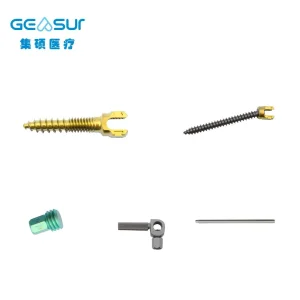
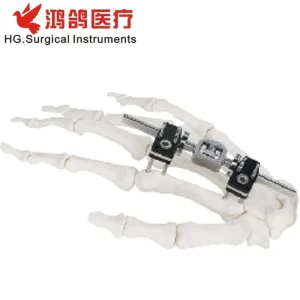
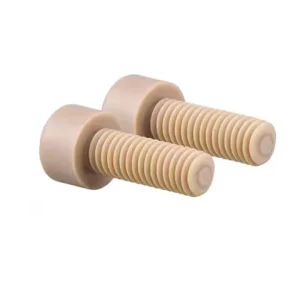
 Axton Orthopedic Implants