High-precision orthopedic implants designed for optimal osteointegration and mechanical stability, curated for leading spinal surgery centers across Nepal.
Navigating geography, infrastructure, and healthcare economics in the Himalayas
Spinal disorders and trauma present unique clinical challenges in Nepal. The combination of steep, mountainous terrain, agricultural lifestyle, and expanding road networks leads to high rates of traumatic spinal cord injuries (SCIs) from falls (e.g., from trees or cliffs during fodder collection) and motor vehicle accidents. In parallel, degenerative disc disease (DDD) is highly prevalent among aging populations and agricultural workers who endure repetitive axial loading. Academic centers like Tribhuvan University Teaching Hospital (TUTH), Bir Hospital, and specialized private entities in Kathmandu, Pokhara, and Lalitpur are scaling up complex spine operations, including Posterior Lumbar Interbody Fusion (PLIF), Transforaminal Lumbar Interbody Fusion (TLIF), and Anterior Cervical Discectomy and Fusion (ACDF).
However, the Nepalese spinal care ecosystem encounters persistent structural bottlenecks:
By establishing direct channels between advanced manufacturing hubs and Nepalese distributors, healthcare facilities can bypass multiple agent markups, securing CE-certified PEEK and Titanium cages that meet the rigorous biomechanical demands of local patients.
Deciding between radiolucency and osteogenesis for load-bearing spinal implants
The global spinal implant market has evolved from rigid stainless steel constructs to advanced polymers and porous metallic structures. The choice of material dictates the load transfer to the vertebral endplates, directly influencing the fusion rate and preventing the dreaded complication of implant subsidence.
| Parameter | Medical-Grade PEEK (Polyetheretherketone) | Porous Titanium (Grade 5 / Ti-6Al-4V) | Titanium-Coated PEEK (Hybrid) |
|---|---|---|---|
| Elastic Modulus | ~3.6 GPa (Close to cortical bone ~18 GPa) | ~110 GPa (Higher rigidity; stress-shielding risk) | Dual modulus profile (Ideal elasticity core) |
| Radiolucency | Excellent (Allows clear CT/MRI evaluation of fusion) | Radio-opaque (Creates image artifacting) | Semi-radiolucent (Permits adequate imaging) |
| Osteointegration | Bioinert (Relies on mechanical press-fit) | Excellent (Bioactive, promotes bone ingrowth) | Superior (Titanium surface promotes early fusion) |
| Subsidence Rate | Low (Due to stress distribution) | Moderate (If endplates are compromised) | Extremely Low (Optimized load transfer) |
| Primary Application | Degenerative spine, cervical fusion | Trauma reconstruction, high-load cases | Premium TLIF/PLIF fusion procedures |
While PEEK offers excellent imaging characteristics and prevents stress shielding, its hydrophobic surface can lead to fibrous encapsulation rather than direct bone bonding. Our Titanium-Coating technology addresses this by applying a micro-textured, highly porous titanium layer over the PEEK core. This hybrid implant offers the radiolucency and mechanical elasticity of PEEK alongside the rapid osteointegration profile of pure titanium, dramatically reducing the risk of pseudoarthrosis and cage migration—a critical factor for Nepalese patients who cannot easily access revision surgeries.
Leveraging medical-grade 3D printing, advanced raw materials, and high-precision CNC engineering
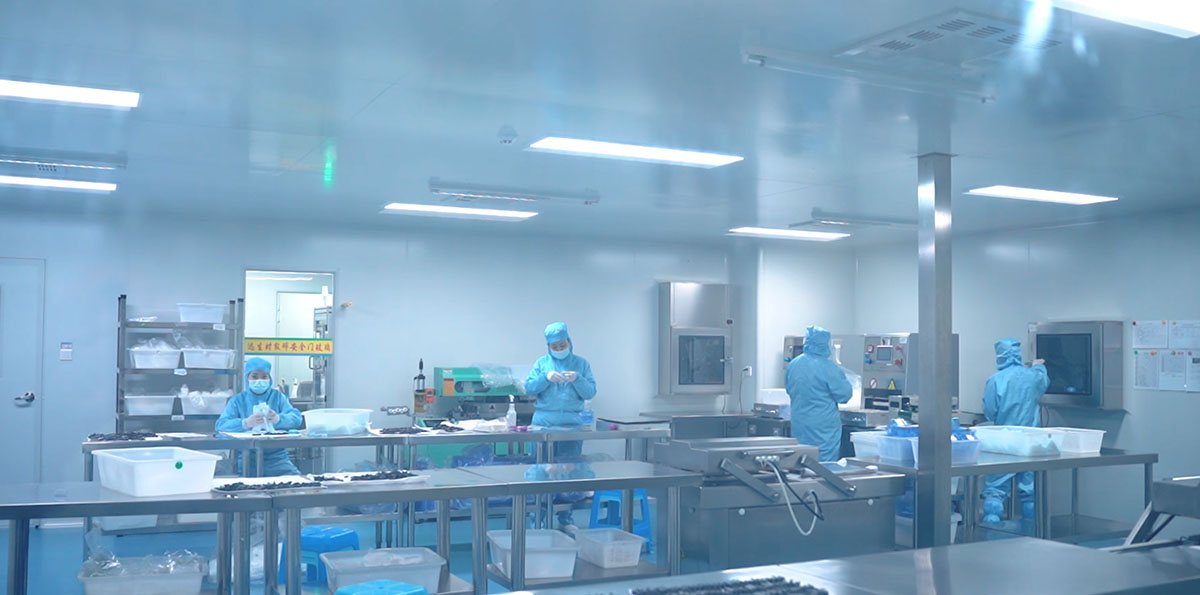
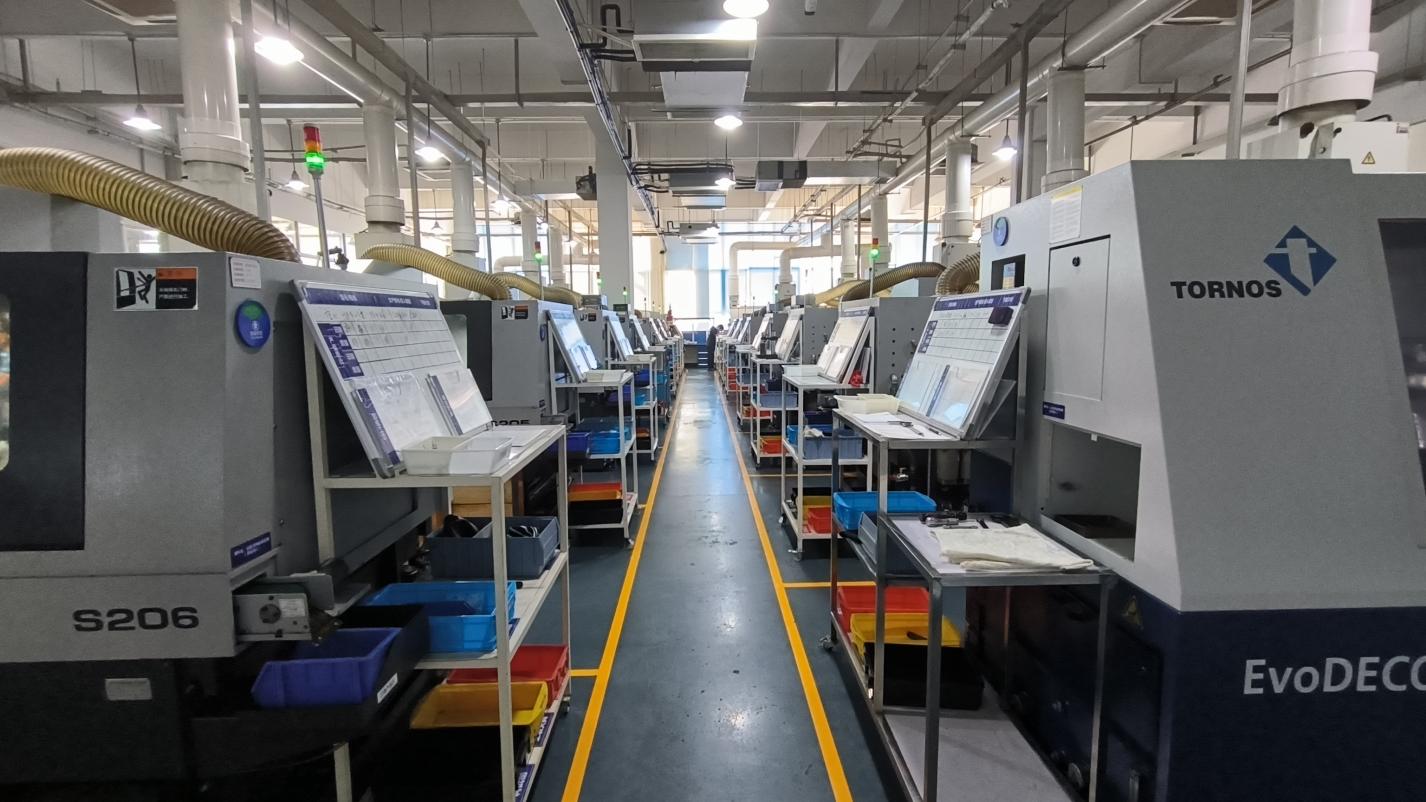
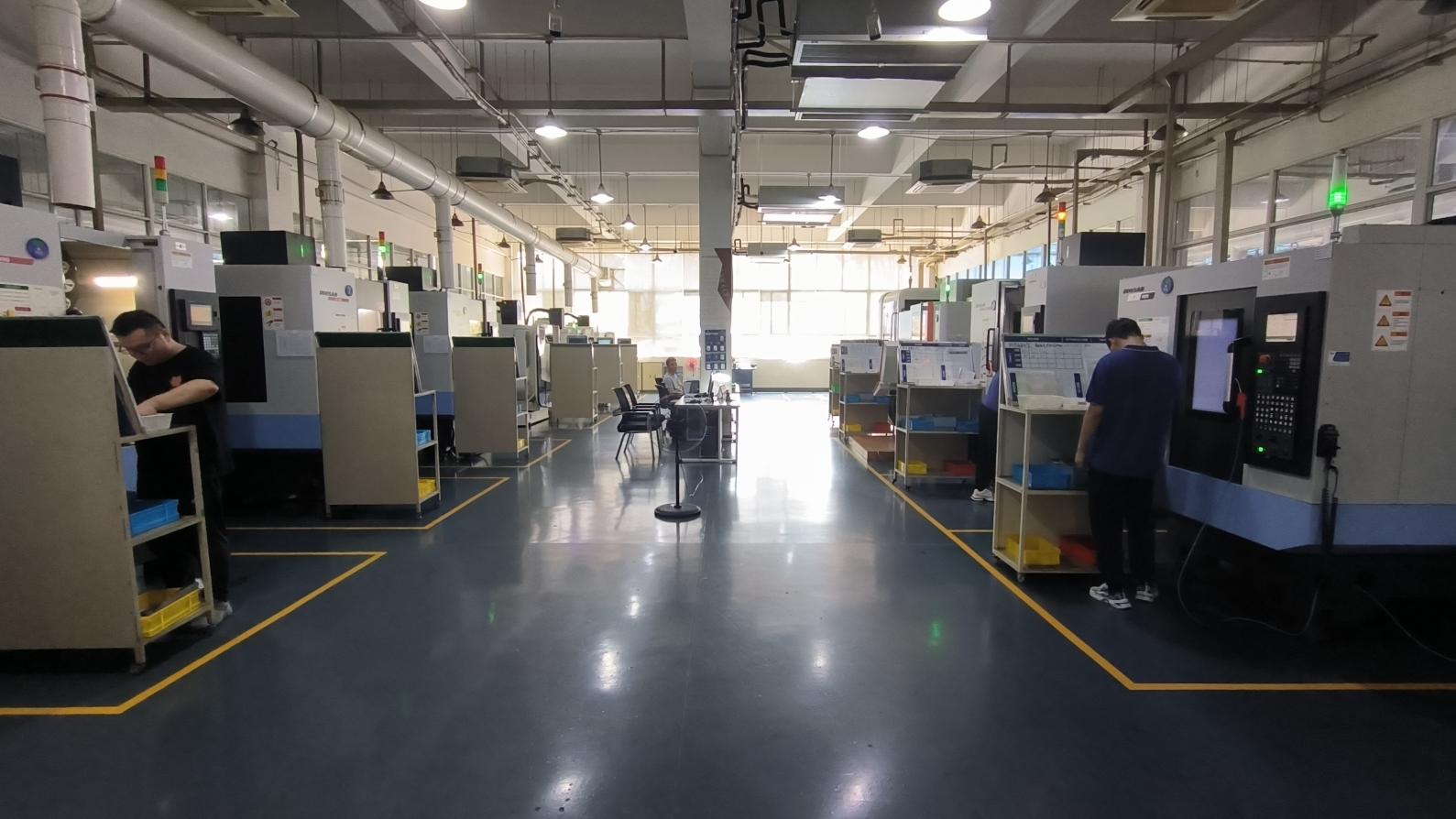
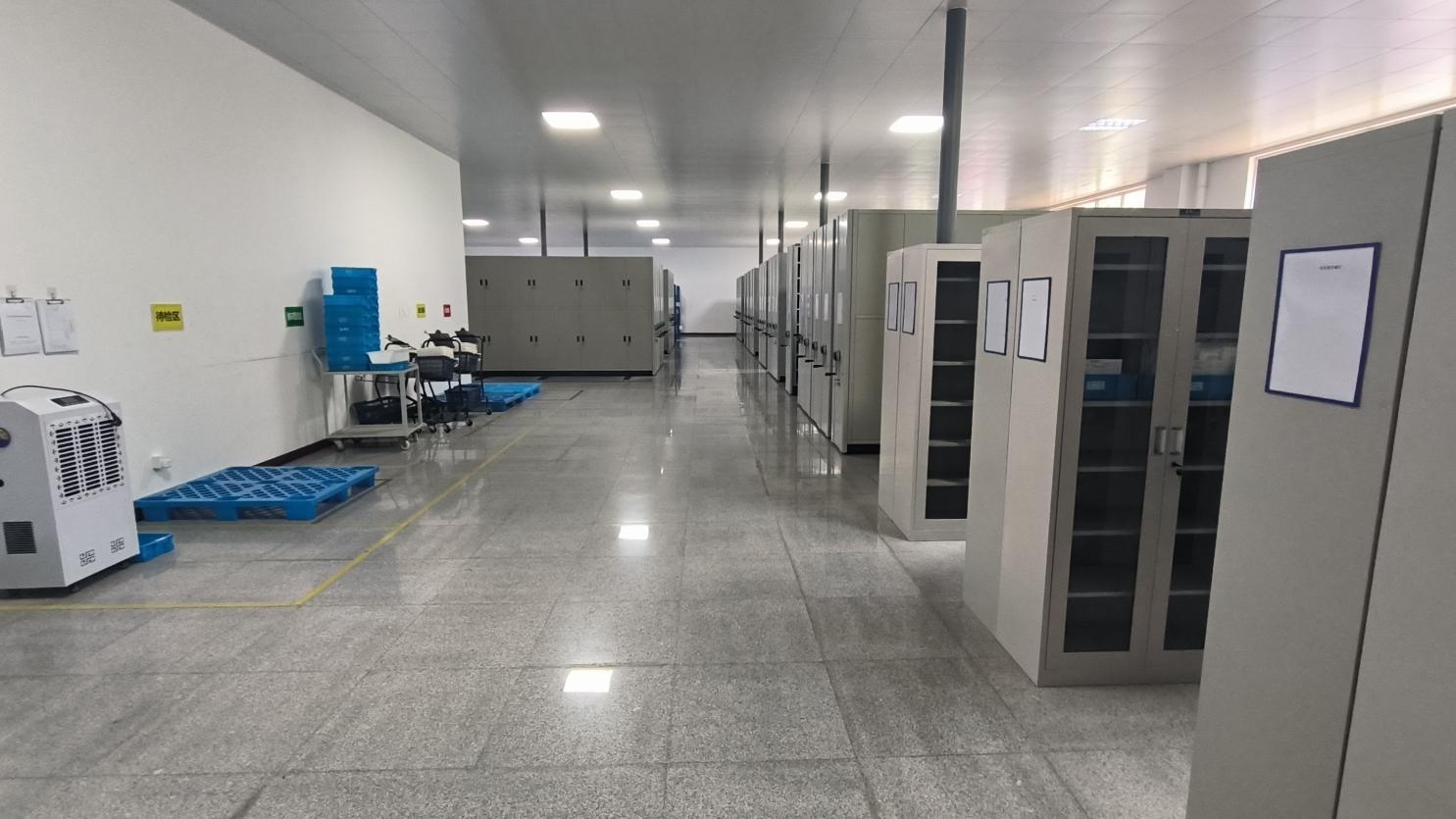
Since our establishment in 2009, we have optimized our supply chain to provide CE-certified orthopedic implants globally. Operating a vertically integrated factory in China, we leverage state-of-the-art CNC wire cutting, plasma spray coating, and medical-grade 3D printing to achieve scaling efficiencies that we pass directly to hospital systems and medical distributors in Nepal.
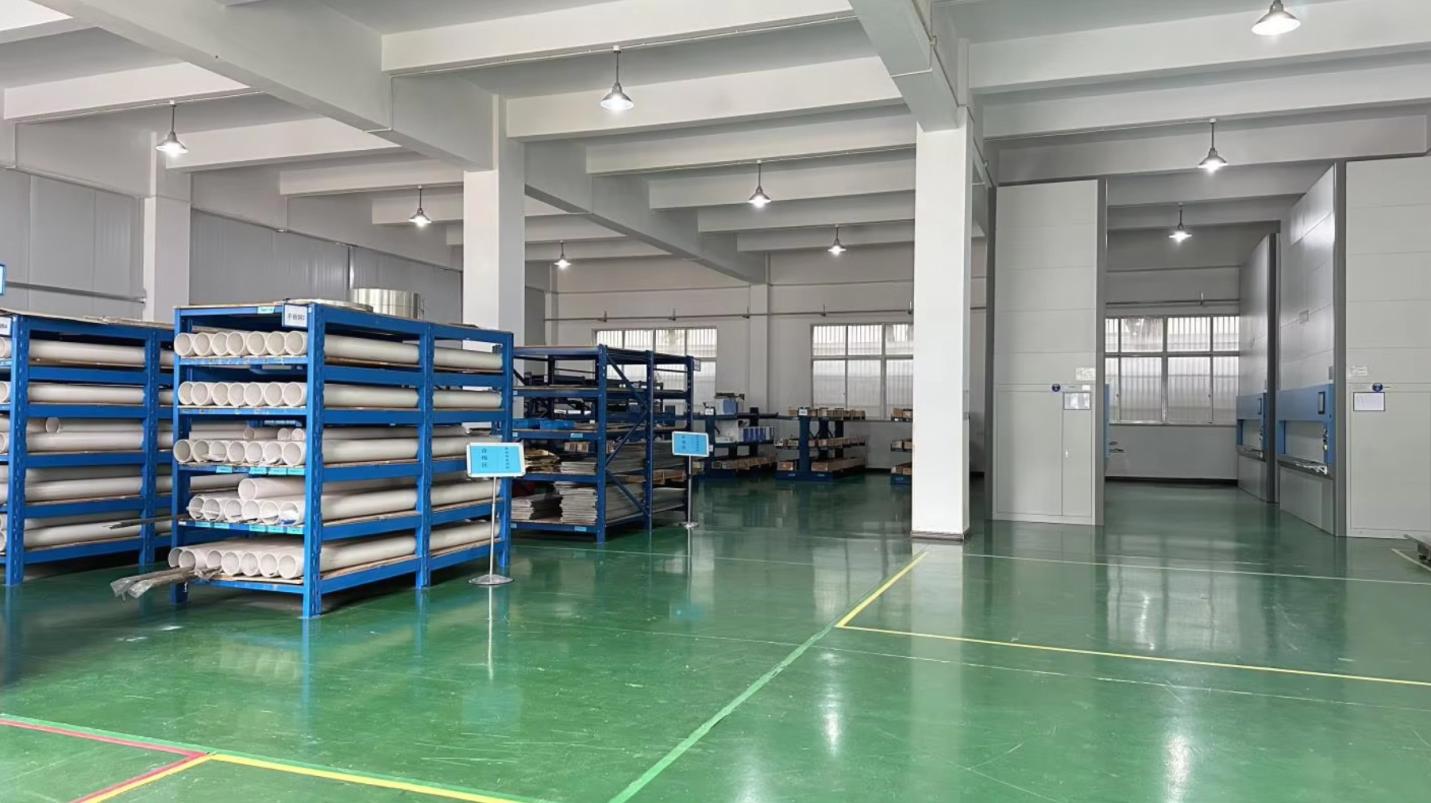
We procure premium biocompatible Titanium and medical PEEK (Evonik/Solvay) to guarantee chemical purity and tensile reliability.
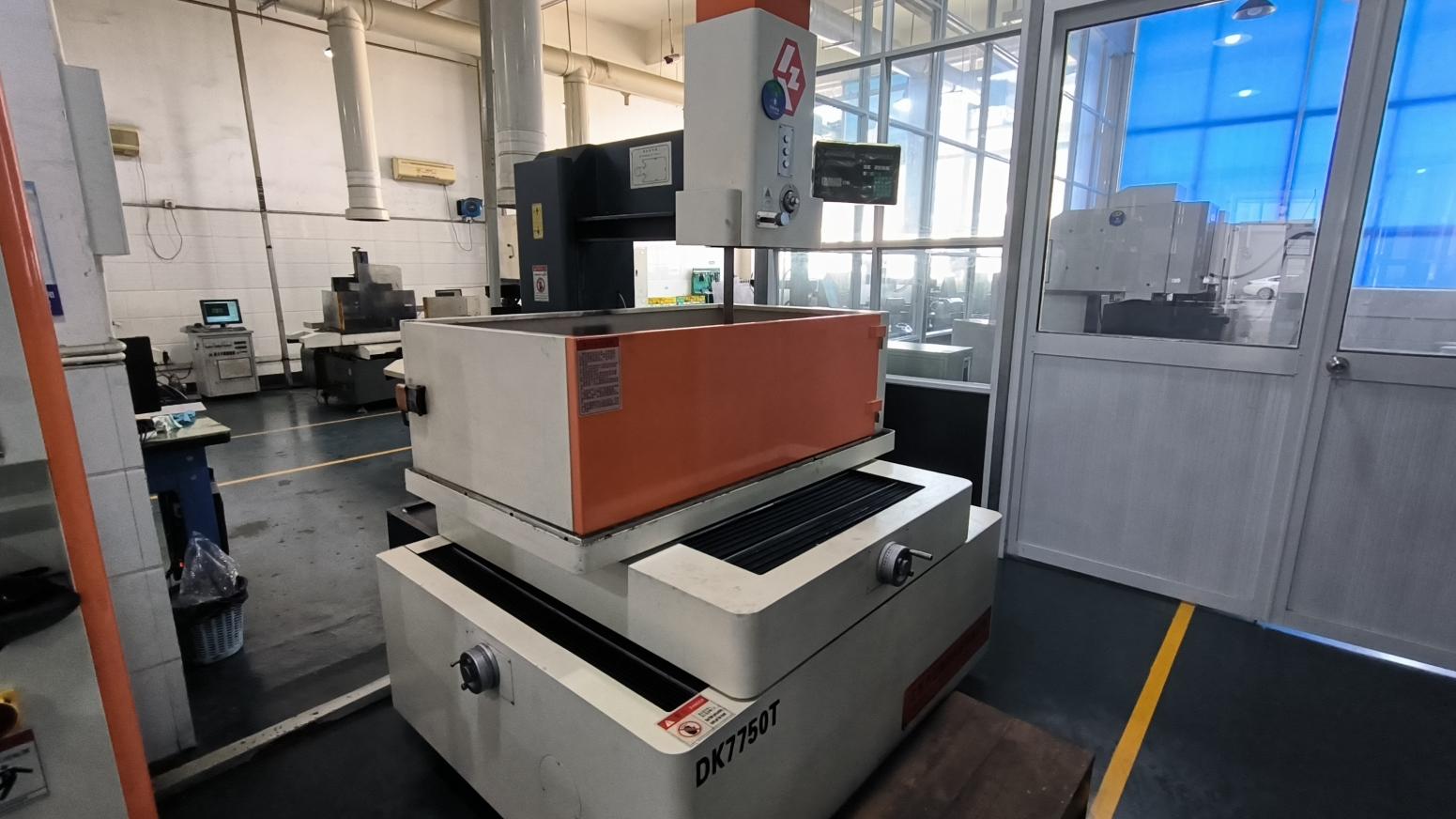
High-precision multi-axis Swiss CNC milling machines form cages with exact micron tolerances, ensuring perfect anatomical fit.
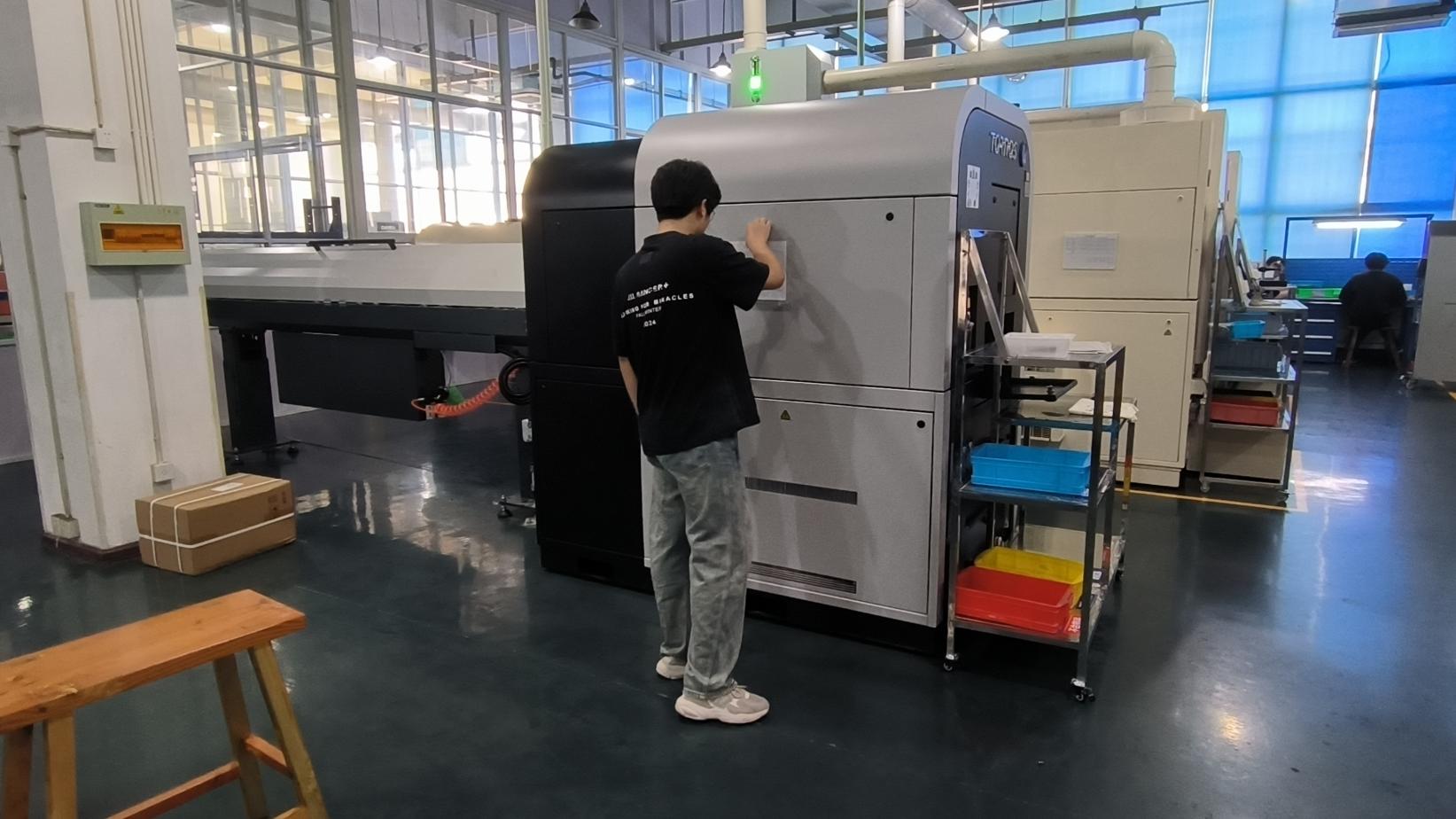
Advanced plasma-sprayed titanium application and 100% optical inspection ensure defect-free implant surfaces.
Customization & 3D Printing: A major strength lies in our expertise in 3D printing and custom implant fabrication. Using CT scan data, we can create personalized medical devices that perfectly fit unique patient anatomies. This is highly valuable for complex spinal reconstruction or severe scoliosis cases handled by major tertiary hospitals in Nepal. Customization enhances treatment outcomes, shortens operating room times, and reduces patient recovery periods.
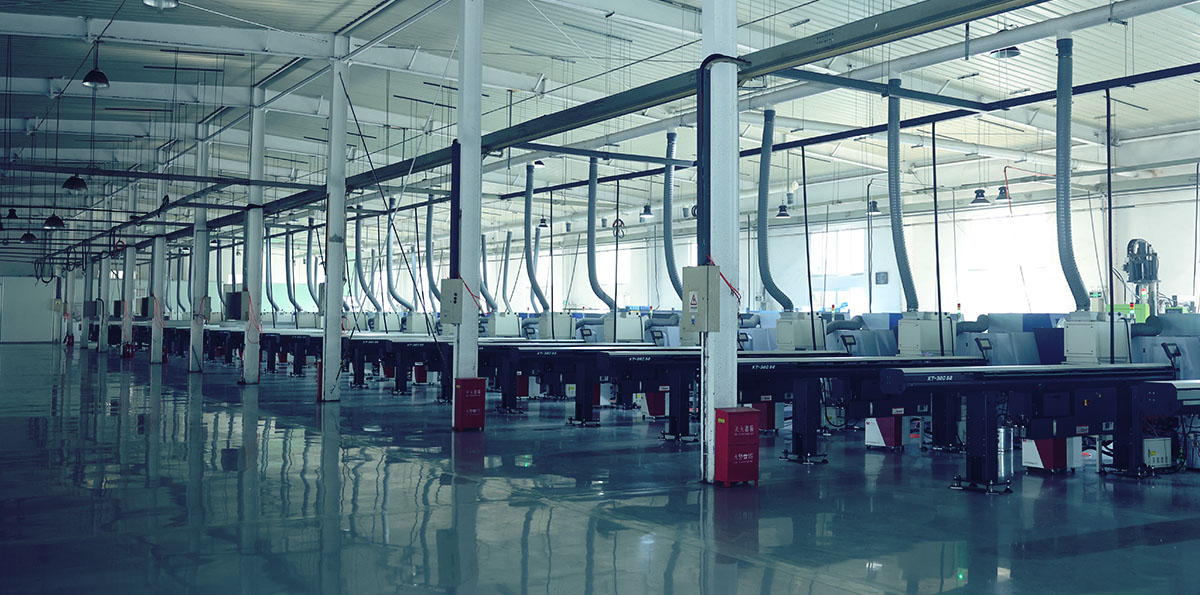
Optimized configurations for high-altitude trauma and degenerative conditions
Clinical workflows within Nepalese operating theaters dictate specific requirements for spinal implants. Our cages are configured for three core clinical pathways:
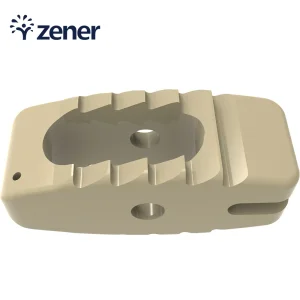
Road accidents and falls from cliffs often lead to burst fractures or severe subluxation of the lumbar spine. In these high-impact scenarios, the Bullet Lumbar Peek Interbody Fusion Cage System offers immediate mechanical stability. The bullet-nosed tip allows easy insertion through narrow surgical corridors, reducing neural retraction and risk of nerve root injury. Combined with a titanium spray coating, it ensures high primary stability under post-operative load-bearing.
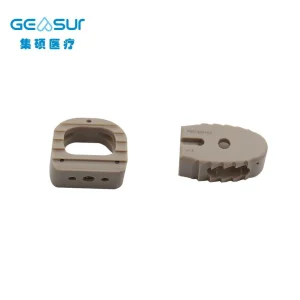
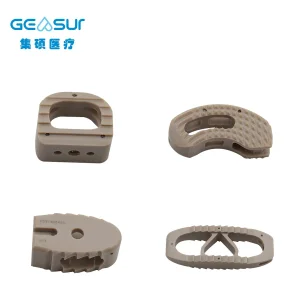
Chronic neck pain and radiculopathy are common among manual laborers in the Terai and hilly districts. For such patients, the Titanium-Coated Cervical Interbody Fusion Peek Cage provides a reliable, non-subsiding solution. The cage features a generous bone graft window, encouraging rapid fusion with either autograft or local bone substitutes, which is crucial for reducing outpatient follow-up burdens in remote regions.
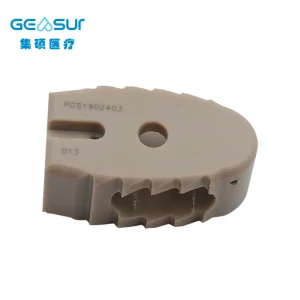
In older patients suffering from severe sagittal imbalance or canal stenosis, minimally invasive approaches like Oblique Lumbar Interbody Fusion (OLIF) are increasingly favored. Our CE-Certified OLIF Fusion Cage System maximizes endplate coverage to prevent subsidence into osteoporotic bone, facilitating indirect decompression of the neural elements without unnecessary bone removal.
CE-Certified, sterile-packaged, and highly compatible surgical configurations
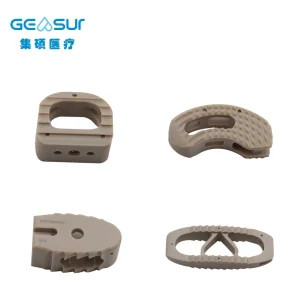
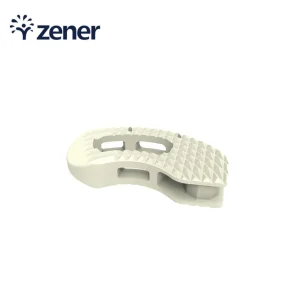
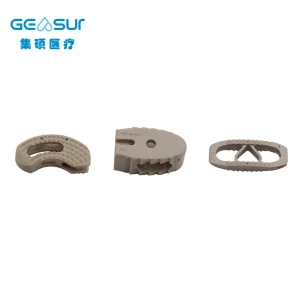
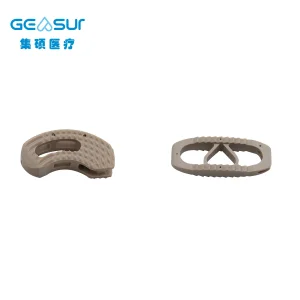
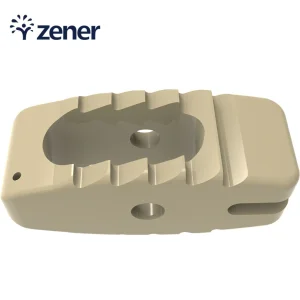
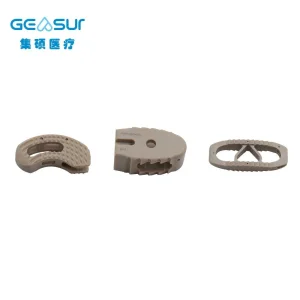
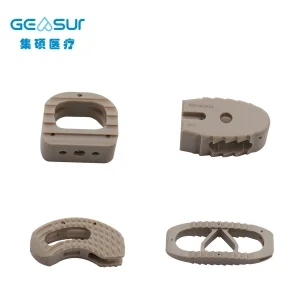
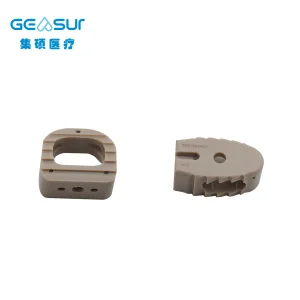
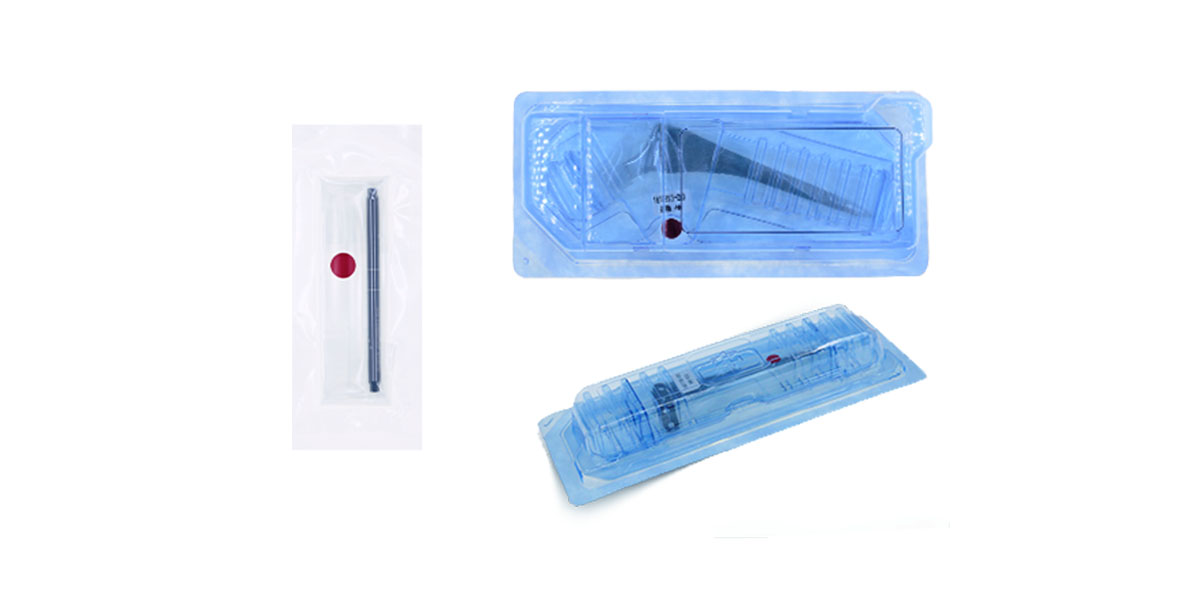
To date, our products have been widely used in dozens of countries across Asia, Latin America, Africa, and Europe, and have gained recognition from local distributors and spine surgeons. We offer orthopedic implants, joint implants, brushless medical surgical motors, and customized instrument solutions.
Assuring delivery consistency, traceability, and quality under global regulatory landscapes
Hospital groups and bulk distributors in Kathmandu require absolute transparency regarding regulatory compliance and sterilization validation. Axton Medical complies with standard international practices:
Technical clarity for spinal surgeons, procurement directors, and importers in Nepal
 Axton Orthopedic Implants