 Axton Orthopedic Implants
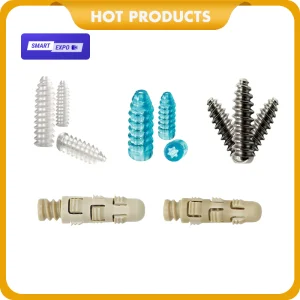
Engineered for ligament reconstruction, optimized for Namibian orthopedic and sports trauma surgical centers.
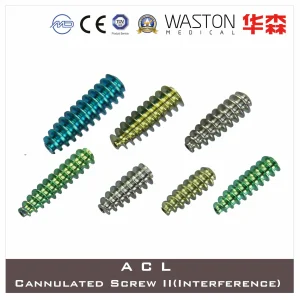
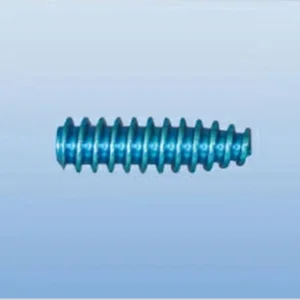
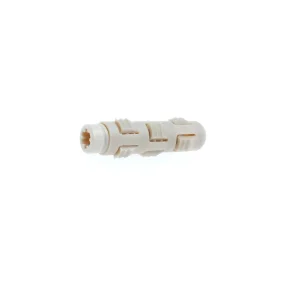
Namibia is witnessing a significant transformation in its clinical capability. With state-of-the-art facilities in Windhoek like the Lady Pohamba Private Hospital, Windhoek Central Hospital, and Mediclinic Windhoek, as well as decentralized clinical centers in Swakopmund, Walvis Bay, and Oshakati, the demand for precision orthopedic implants has surged. Historically reliant on protracted imports from neighboring South Africa or overseas distribution lines, the local market now seeks direct partnerships with certified manufacturers.
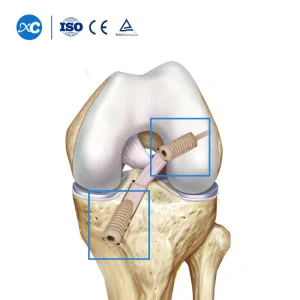
Sporting activities—ranging from rugby and soccer to extreme coastal adventure athletics—drive a continuous stream of ligament tears (specifically anterior cruciate ligament, ACL, and posterior cruciate ligament, PCL injuries). The transition from open orthopedic surgeries to minimally invasive arthroscopy in local state and private hospitals has heightened the requirements for stable, bio-compatible, high-performance interference screws.
Our solutions provide local orthopedic distribution agencies, procurement authorities, and surgical associations in Namibia with immediate access to ISO-13485 certified implant systems, guaranteeing consistent pull-out values, minimal imaging artifact interference, and customized shapes for precise patient anatominical alignment.
Since our founding, we have integrated raw material integrity with advanced machining processes to deliver world-class implants.
To date, our products have been widely used in dozens of countries across Asia, Latin America, Africa, and Europe, and have gained recognition from local distributors and surgeons.
A major strength of the company lies in its expertise in 3D printing and customization. With advanced technology, the company is able to create personalized medical devices that perfectly fit each patient. This customization not only enhances treatment outcomes but also improves patient comfort and overall satisfaction. We offer orthopedic implants, joint implants, brushless motors, and other products.
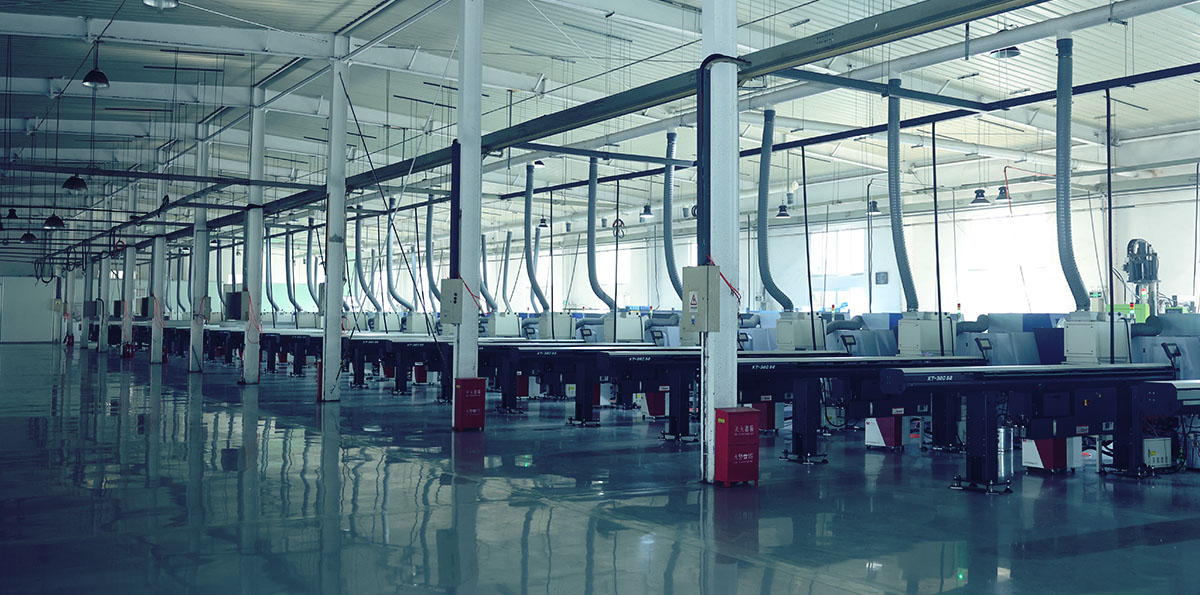
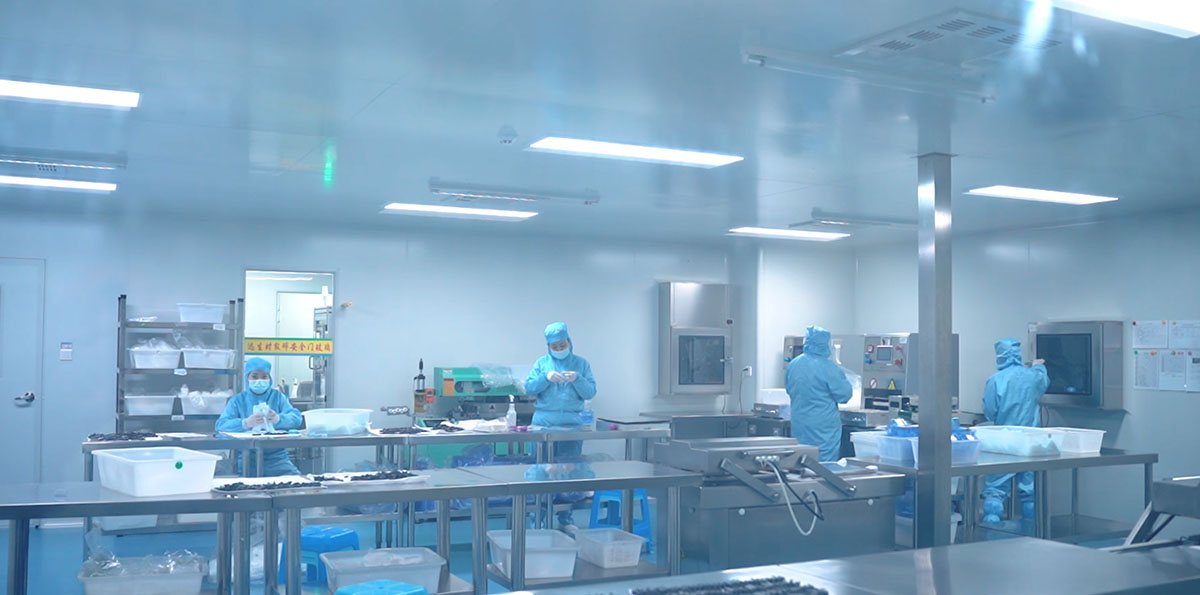
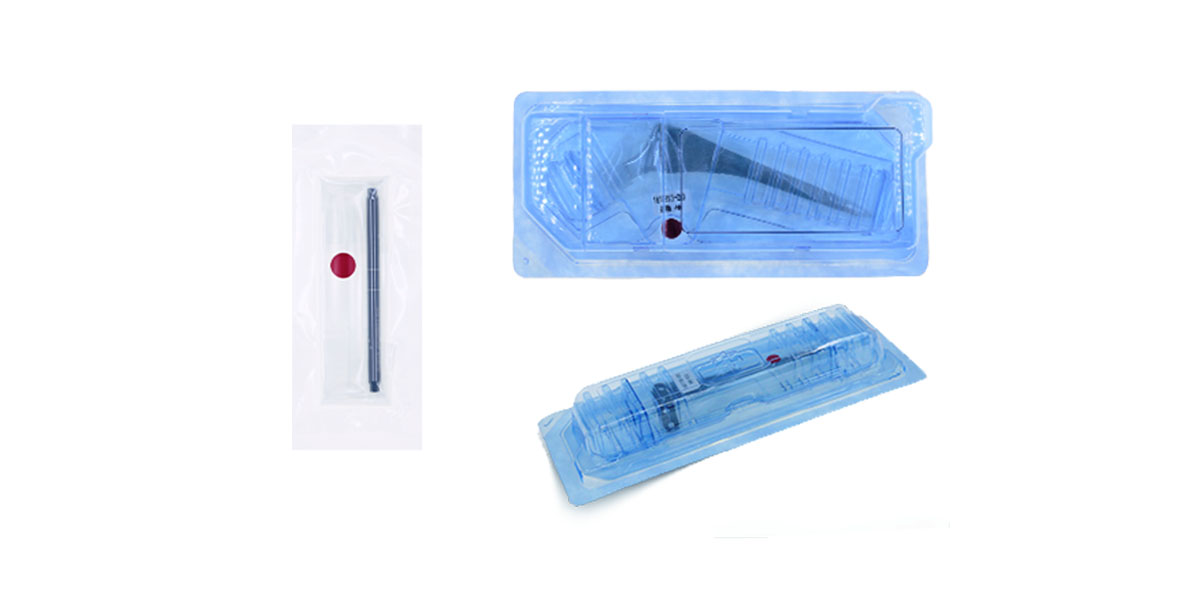
Our manufacturing complex uses premium biocompatible PEEK, PLLA polymers, and medical-grade titanium alloys. Modern orthopedic surgical procedures demand screws that can handle high torsional forces during insertion without stripping the hex or star drive. Through high-frequency wire cutting and multi-axis CNC machines, we ensure tolerance accuracy down to micrometers.
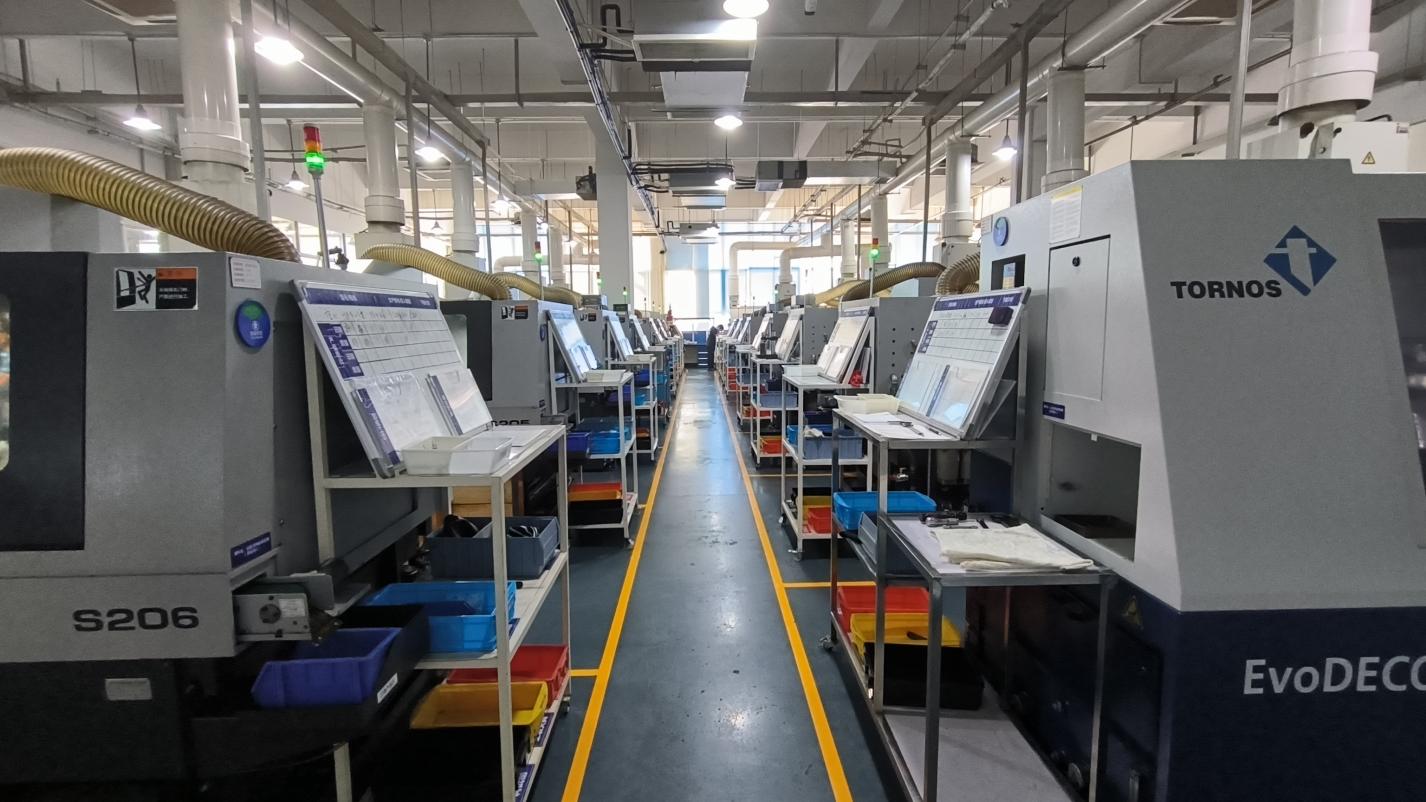
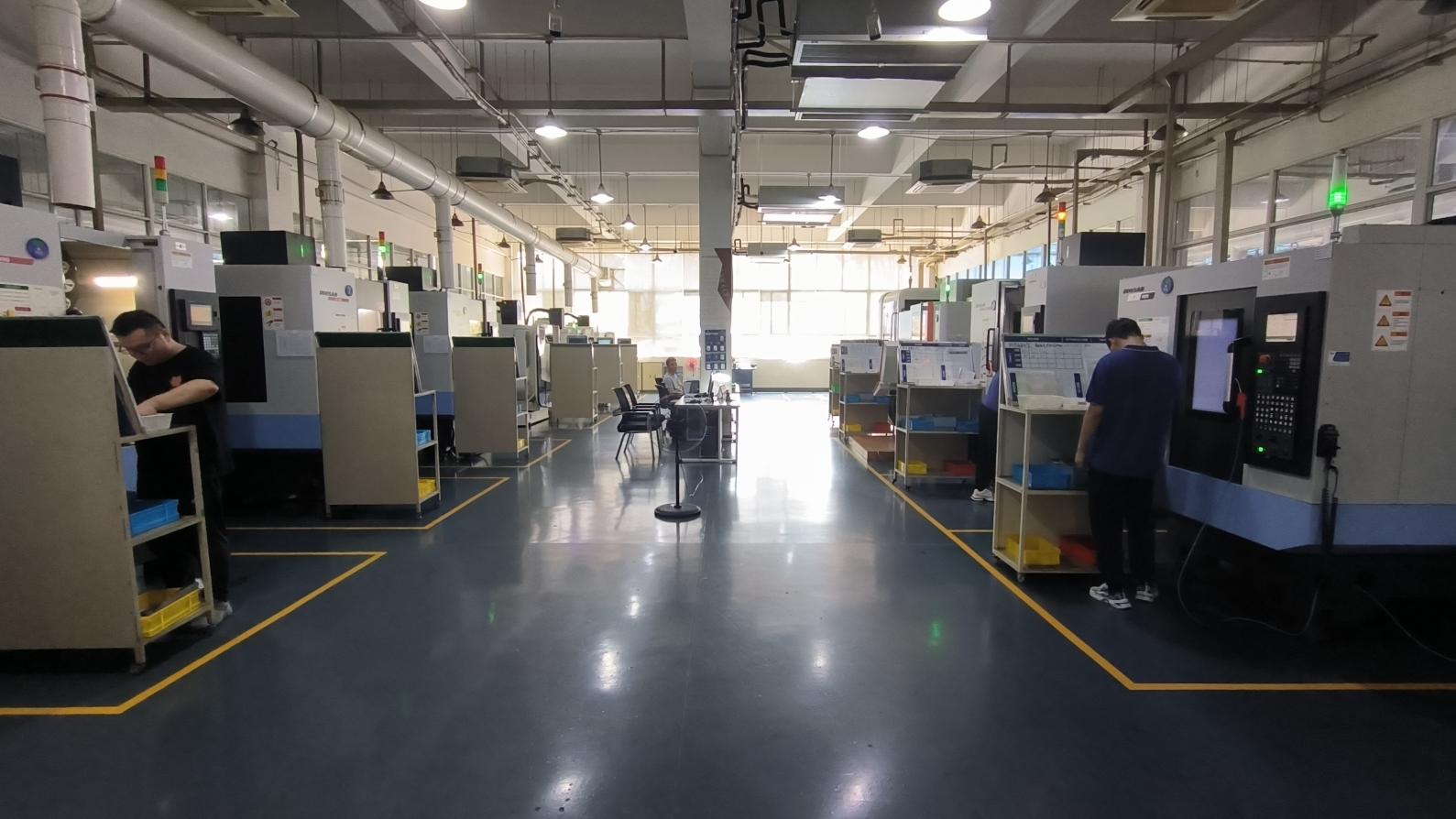
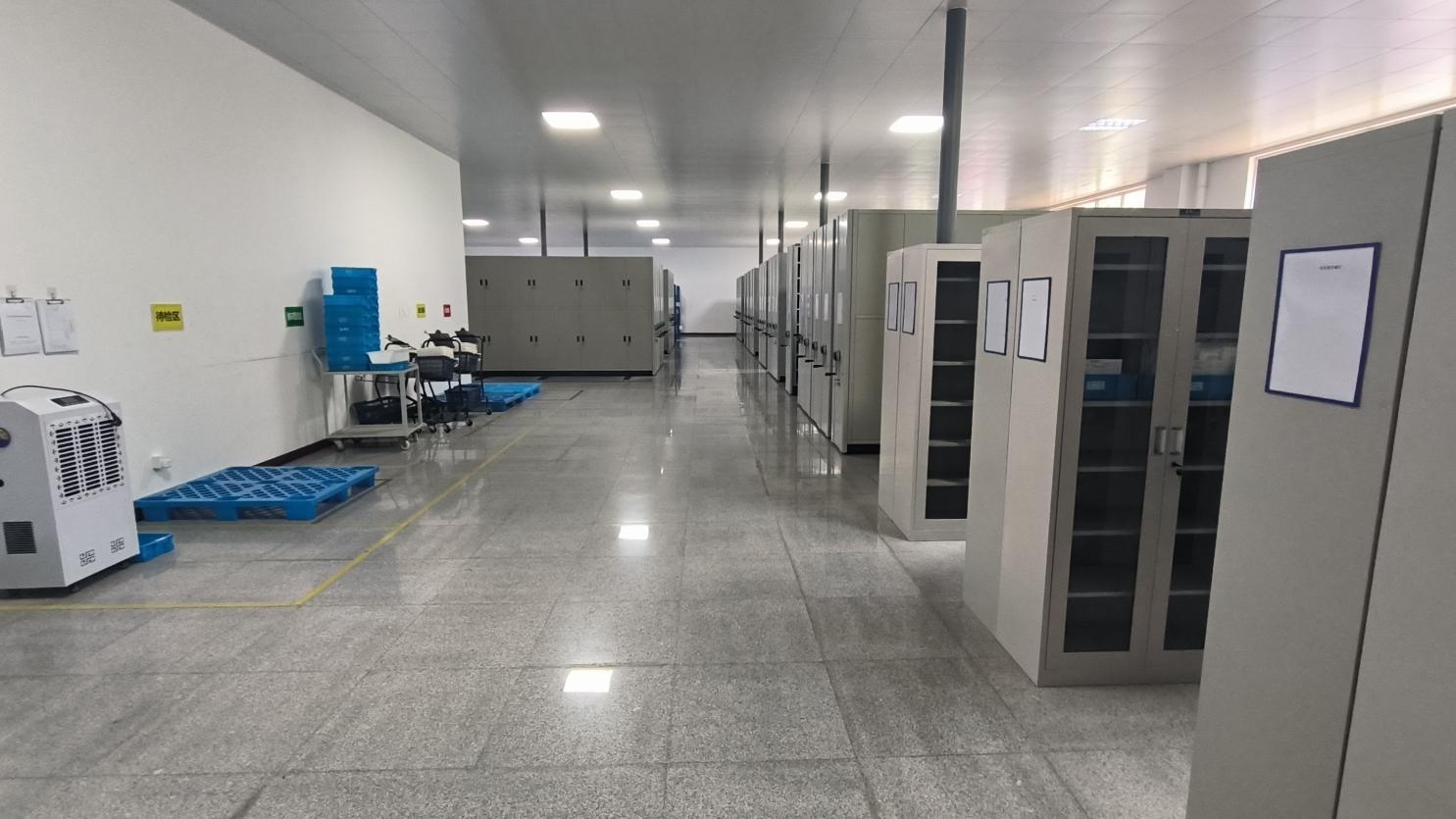
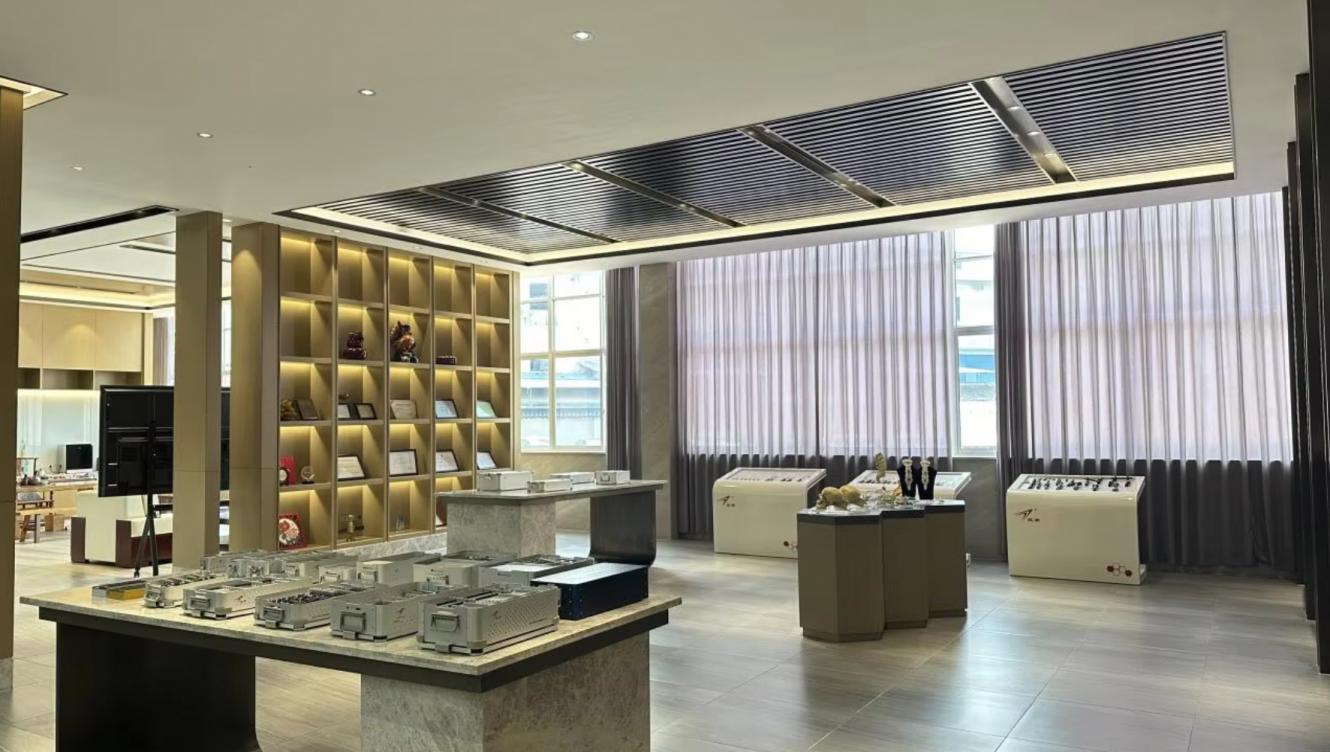
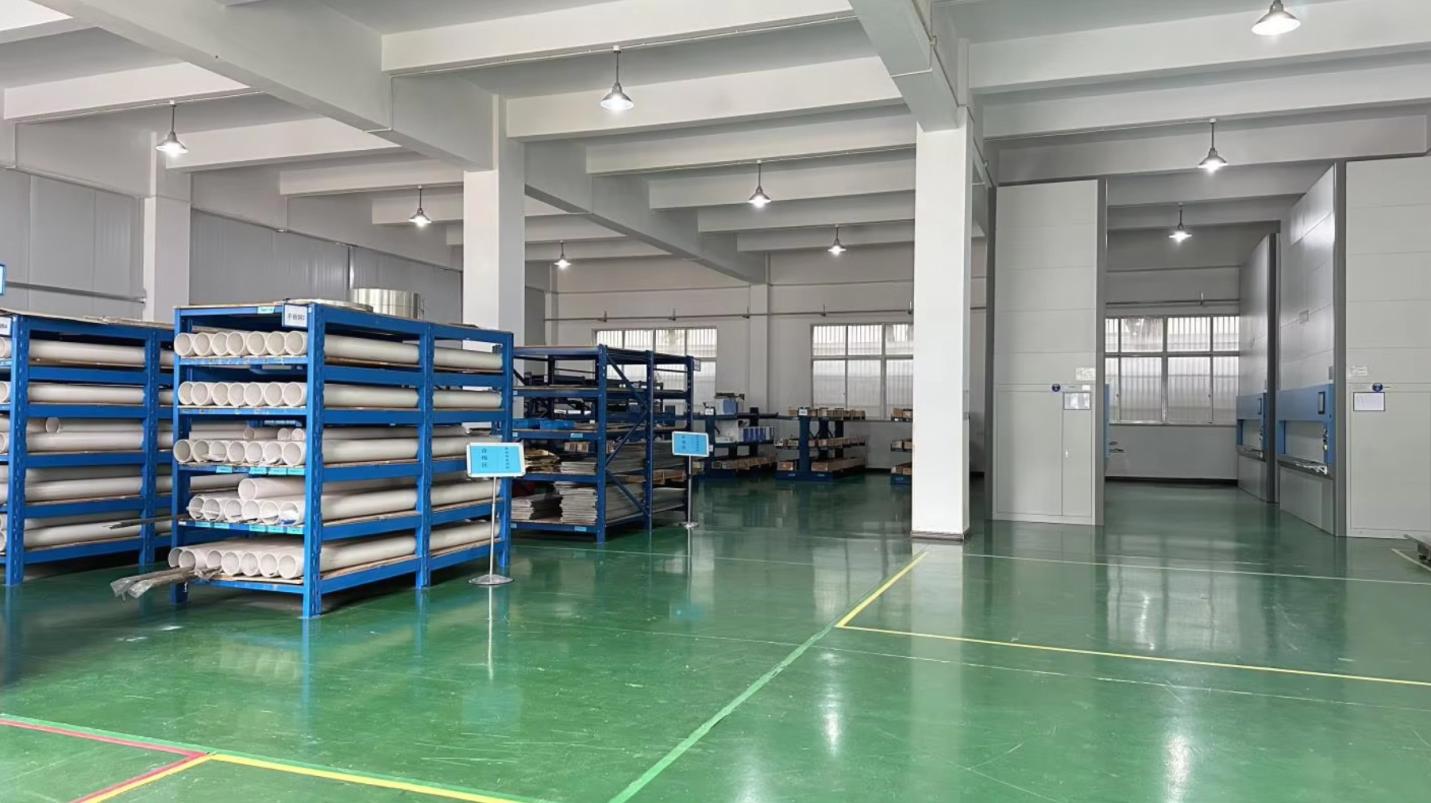 Raw Materials
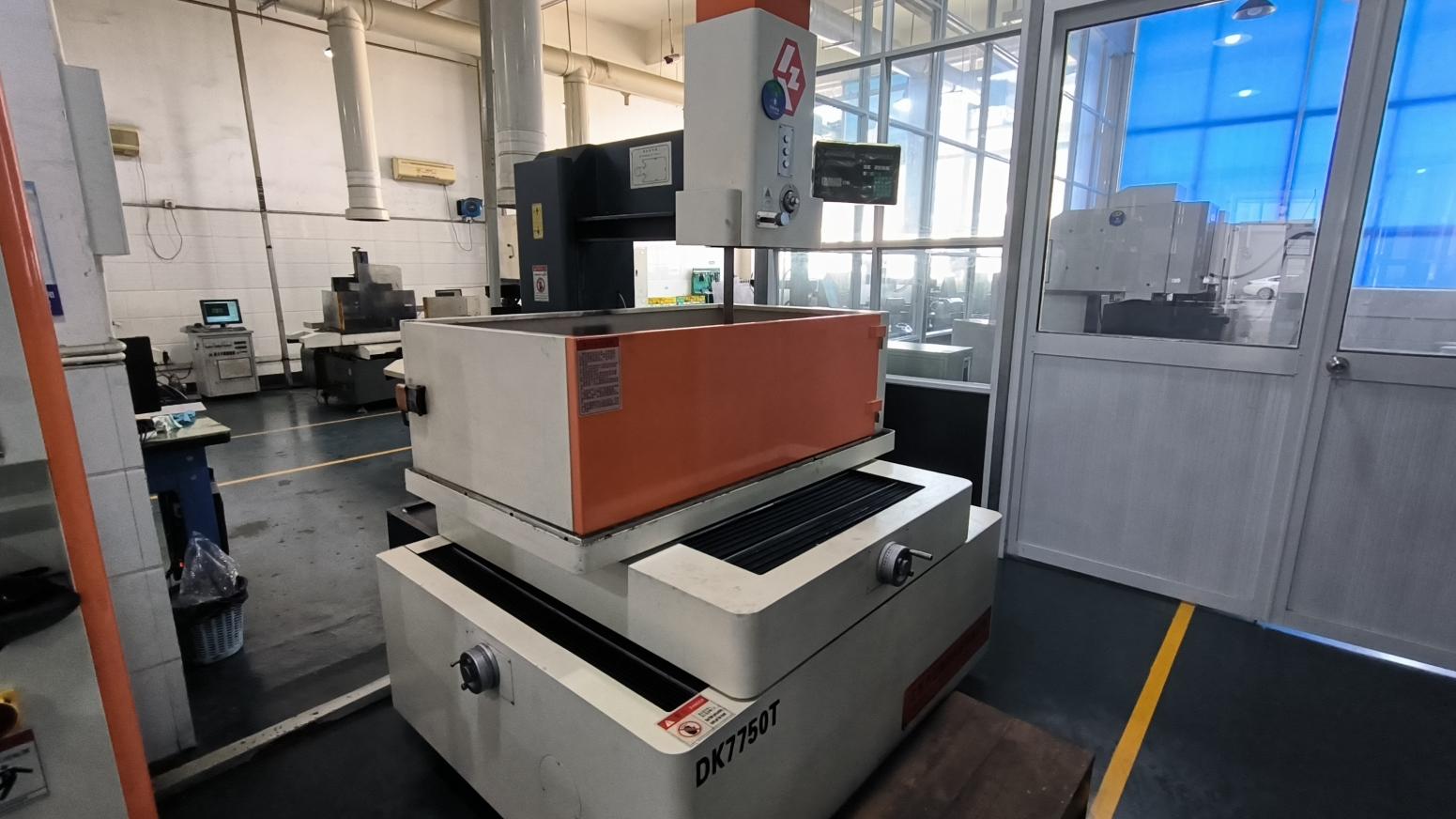 Wire Cutting
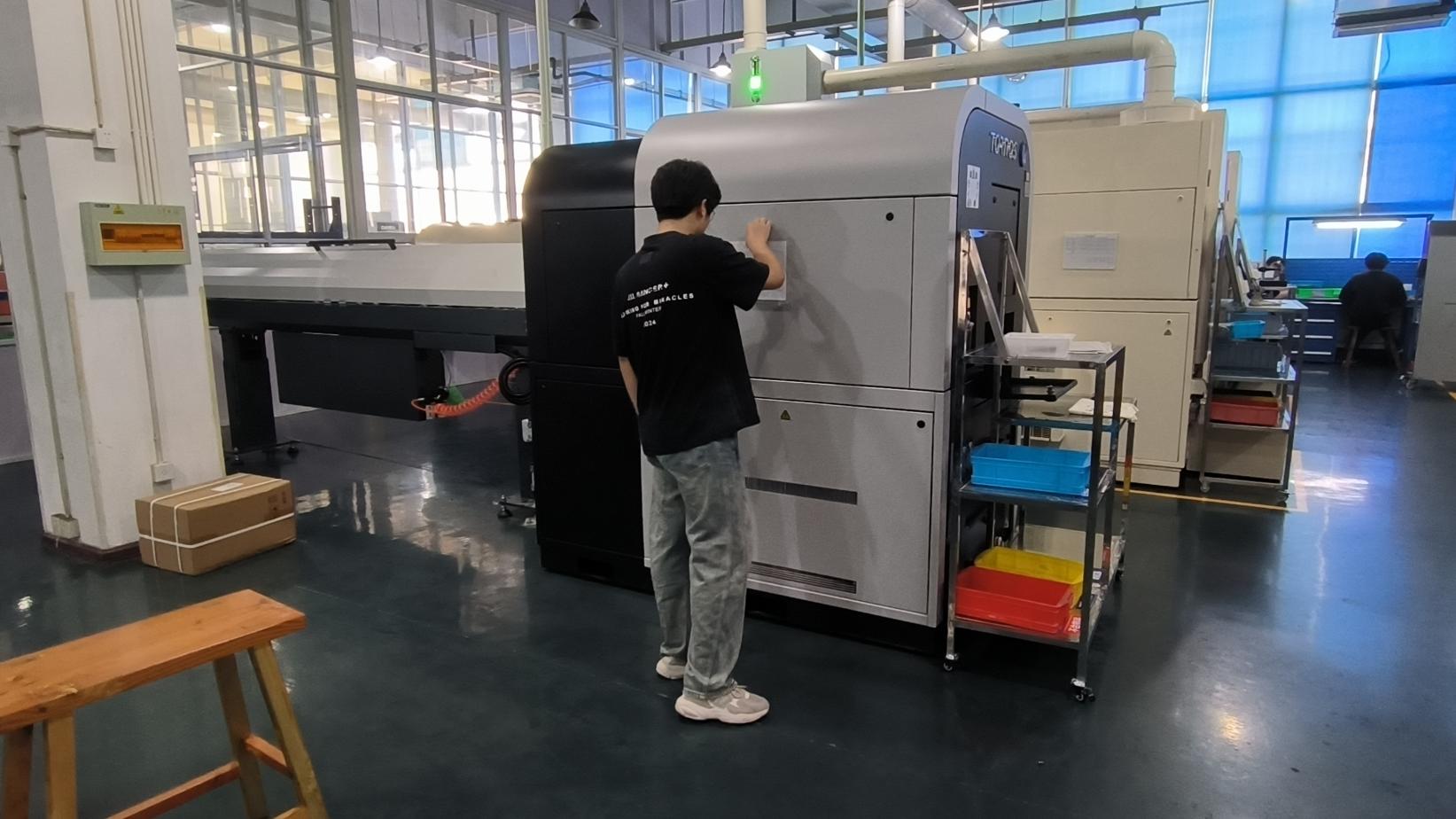
Supportive and high-precision non-magnetic systems designed to eliminate image distortion and signal interference in diagnostic departments.
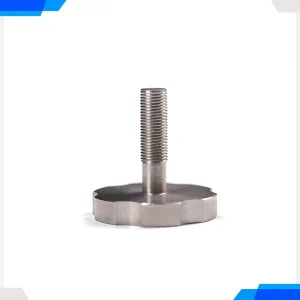
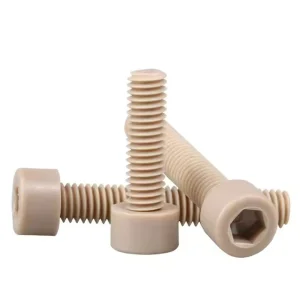
The field of orthopedics and sports medicine is moving rapidly towards implant technologies that adapt dynamically to biological environments. The use of traditional metallic interference screws, while robust, often results in stress shielding and limits subsequent revisions. Consequently, global surgical protocols prioritize PEEK (Polyetheretherketone) and Biocomposite absorbable implants.
PEEK Interference Screws present mechanical characteristics highly reminiscent of human cortical bone. They maintain high fatigue resistance, do not degrade in the body prematurely, and exhibit zero magnetic properties, making post-operative MRI scans clear of metallic artifact distortion. This is vital in advanced diagnostic setups in clinics across Windhoek, where monitoring graft healing requires clear visibility.
On the other hand, Bioabsorbable Screws fabricated from Poly-L-Lactic Acid (PLLA) combined with osteoconductive additives like Hydroxyapatite (HA) degrade gradually over 18 to 36 months. As the screw resorbs, it is systematically replaced by natural bone. This eliminates the necessity of a second outpatient procedure to extract symptomatic implants, reducing the overall economic strain on Namibia’s public health infrastructure.
For complex revision cases or anomalous bone tunnels, standard interference screws can fall short. We bridge this gap by utilizing selective laser sintering (SLS) 3D-printing systems to produce custom-fit surgical implants. By converting CT and MRI scans into high-density polymer matrices, we tailor thread pitches and tapers to match specific anatomical requirements. This level of customization ensures maximum graft-to-bone contact, boosting biological healing and speeding up patient recovery.
Our commitment to R&D ensures our soft-tissue fixation systems continue to lead in clinical efficacy and biocompatibility.
Integrating Bone Morphogenetic Proteins (BMP-2) within PLLA-HA biocomposites to actively stimulate rapid osteogenesis and graft incorporation inside the tibial and femoral tunnels.
Extending 3D-printed orthopedic solutions to direct clinical setups, allowing surgeon-customized thread patterns and tapered layouts for compromised bone quality.
Embedding micro-electronic sensors to monitor intra-articular pressure and graft tension post-surgery, sending telemetry directly to rehabilitation clinicians.
Providing clear, professional information for orthopedic surgeons, healthcare purchasing managers, and distributors.
PEEK interference screws feature an elastic modulus close to human bone, which reduces stress shielding. They do not cause imaging artifacts during post-operative MRI scans, enabling clear evaluation of graft healing. For local clinics, this reduces diagnosis ambiguity and revision planning complications.
Our manufacturing sites hold ISO 13485 quality system certifications. All clinical implants conform to CE and international quality standards, facilitating registration and import approval through the Namibia Medicines Regulatory Council (NMRC).
Absorbable screws made of PLLA-HA degrade via hydrolysis into lactic acid, which is metabolized by the body into carbon dioxide and water. The hydroxyapatite (HA) component remains locally, providing calcium and phosphate minerals to support new bone growth in the tunnel.
Standard catalog items are shipped via express air cargo within 5-7 business days. Custom patient-matched implants require 10-14 days for CAD confirmation, 3D printing, sterile packaging, and delivery to Windhoek or regional distribution centers.
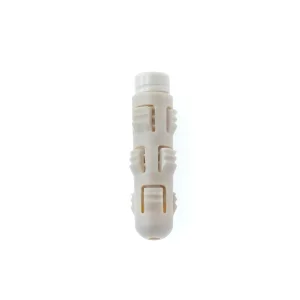
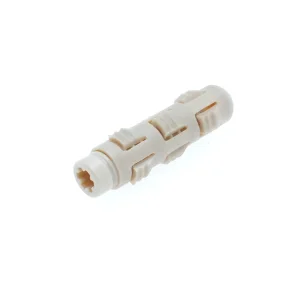
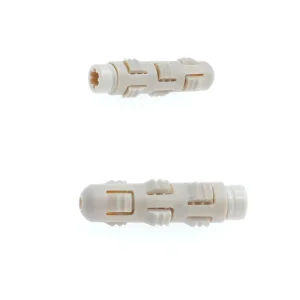
Select your fixation configuration. Engineered for high pull-out strength, minimal insertion torque loss, and clean biocompatibility.
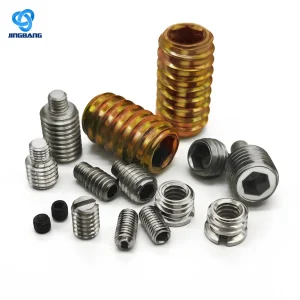
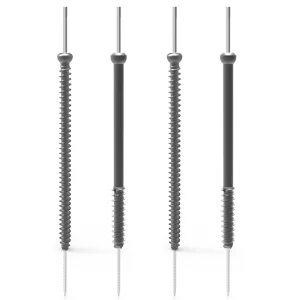
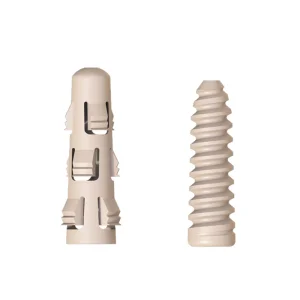
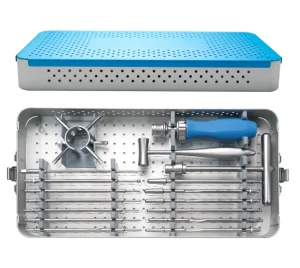
Are you an orthopedic distributor, clinical procurement lead, or surgical specialist based in Namibia or Southern Africa? Partner with us to secure direct shipments of premium PEEK, titanium, and bioabsorbable interference screws.